
Yoga is a journey inward, discovering the self within
Sed ut perspiciatis unde omnis iste natus error sit voluptatem accusantium doloremque laudantium, totam rem
14 January 2026
The Path of Union – What Exactly Is Yoga?
In a world constantly demanding your time, energy, and attention, finding peace can feel rare. Yet the answer lies in one of the oldest disciplines known to humanity – Yoga.
Yoga is more than exercise. It is a holistic science originating from ancient India, designed to unite the mind, body, and spirit.
Derived from the Sanskrit word “yuj”, Yoga means to unite or to join-symbolizing the union of the individual consciousness with the universal consciousness.
Sed ut perspiciatis unde omnis iste natus error sit voluptatem accusantium doloremque laudantium, totam rem
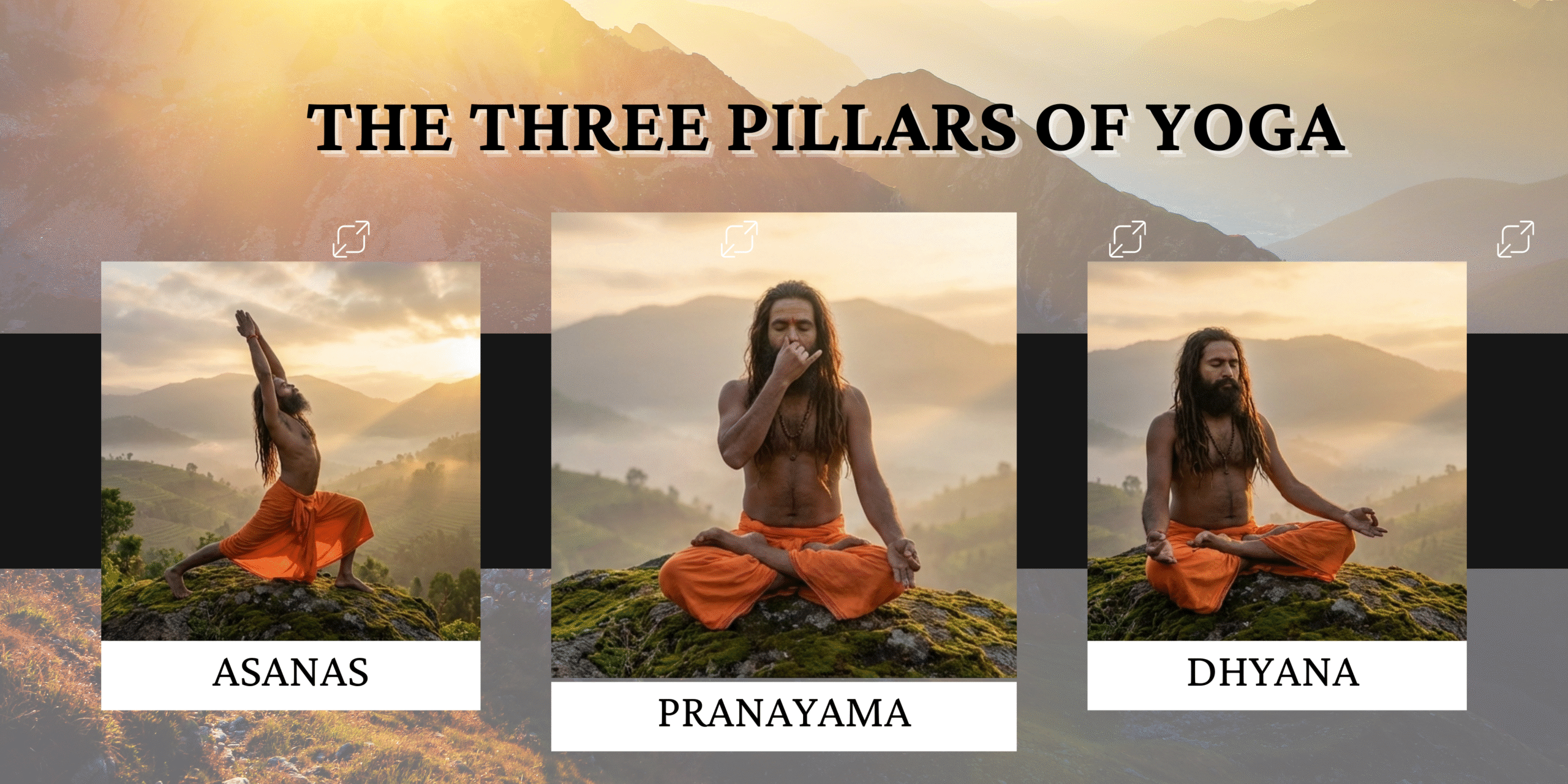
Asanas (Physical Postures): The foundation of movement and flexibility through structured Yoga Poses.
Pranayama (Breathing Techniques): Controlling the breath to stabilize and regulate life force energy (Prana).
Dhyana (Meditation): Developing inner stillness, focus, and deep presence.
Yoga is, at its core, a practice of self-realization, helping every aspect of life fall into harmonious alignment.
The History of Yoga spans thousands of years, predating many organized belief systems. Its evolution can be divided into three major periods:
1. Pre-Classical Period (c. 2700 B.C.E. – 500 B.C.E.)
Ancient Civilizations:
Archaeological findings from the Indus-Saraswati civilization reveal figures in classic Yoga Poses.
The Vedas: The word “Yoga” first appears here, referring to spiritual rituals and disciplined practices.
2. Classical Period (c. 500 B.C.E. – 800 C.E.)
Patanjali’s Yoga Sutras: The sage Maharshi Patanjali compiled profound yogic knowledge into 196 sutras-forming the philosophical core of Yoga.
The Eight Limbs of Yoga (Ashtanga): The ultimate pathway toward inner clarity, self-discipline, and enlightenment (Samadhi).
3. Modern Period (c. 1900 C.E. – Present)
Global Expansion: Masters like Swami Vivekananda brought yogic philosophy to the West, while teachers such as T. Krishnamacharya, B.K.S. Iyengar, and Pattabhi Jois popularized physical forms like Hatha Yoga.
Today, Yoga has become a worldwide symbol of wellness, balance, and mindful living.
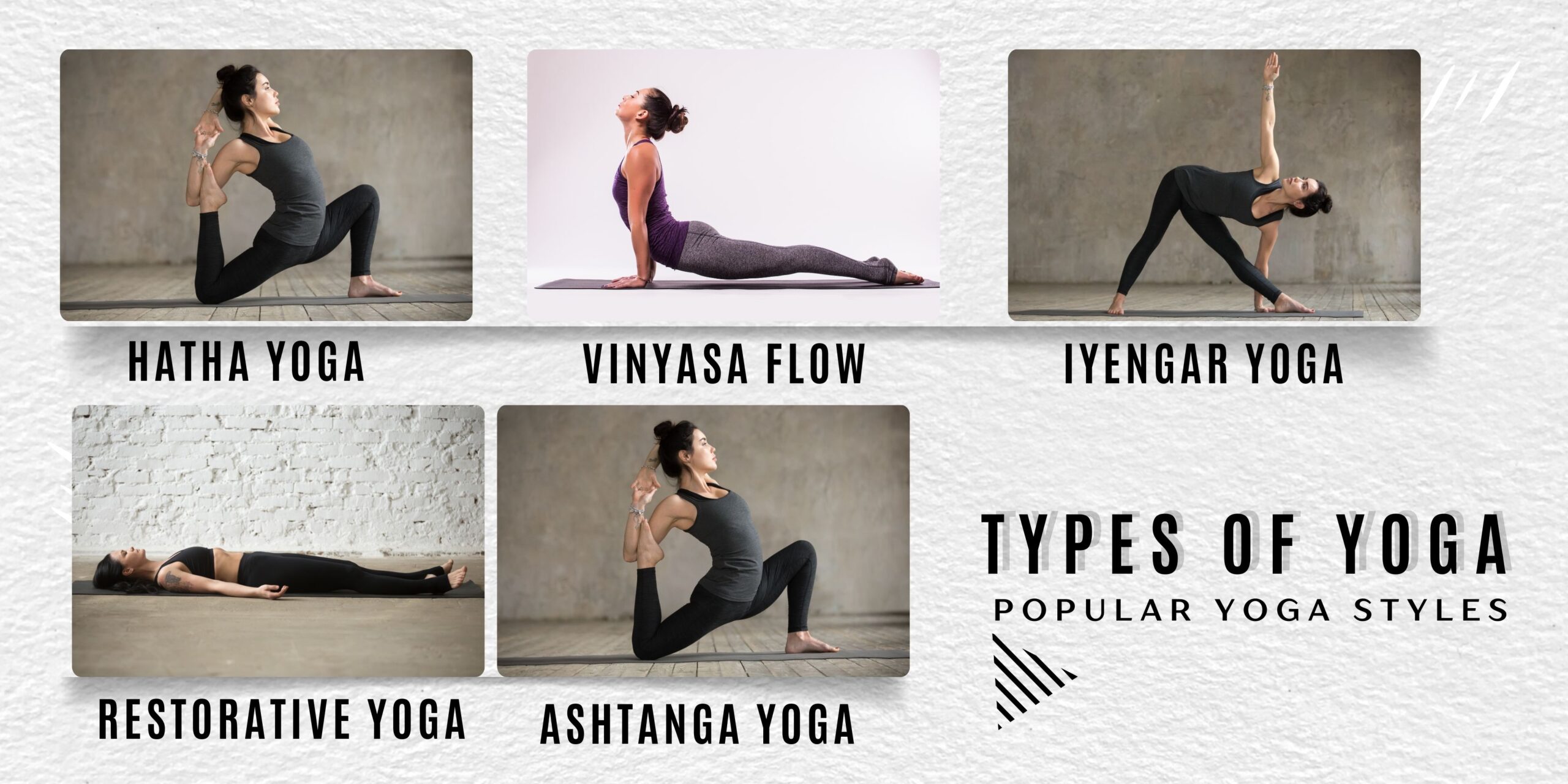
Yoga today includes various styles, each offering unique approaches and benefits. Popular Types of Yoga include:
Popular Yoga Styles
Each style enriches your practice with diverse Yoga Poses and mindfulness techniques.
Why Yoga Is Necessary for Life – The Imperative Practice
In today’s fast-moving world filled with stress, digital overload, and emotional exhaustion, Yoga is not just helpful – it is necessary.
Yoga Benefits extend far beyond the mat, supporting your physical, mental, and emotional well-being.
Physical Well-Being – Strength, Flexibility, and Vitality
Mental & Emotional Balance – The Calm Anchor
Holistic Health – Beyond the Physical Body
Yoga is a timeless gift-an invitation to return to your authentic, balanced self. Whether seeking relief from stress, healing from physical discomfort, or enhancing your lifestyle, Yoga offers a transformative path.
Start your journey today. One breath at a time. One pose at a time.
Your fullest potential is waiting.
Q1. Do I need to be flexible to start Yoga?
Q2. How often should I practice Yoga?
Q3. Is Yoga a religion?
Q4. What should I eat before or after Yoga?