
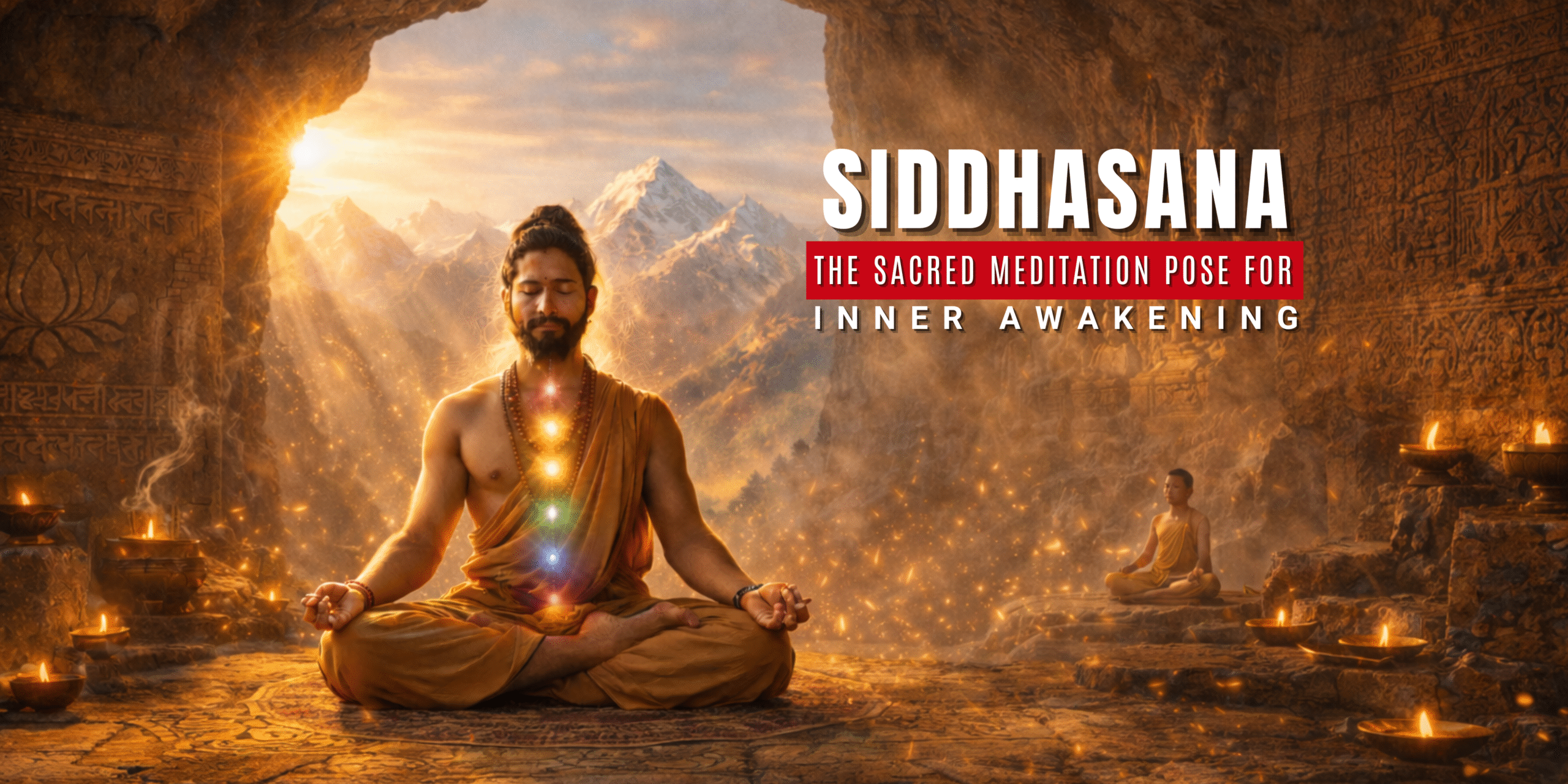
Siddhasana: The Sacred Meditation Pose for Inner Awakening
Introduction: A Stillness That Leads Inward
In a world filled with noise, speed, and constant stimulation, Siddhasana offers something rare-stillness with purpose. Revered as one of the most sacred seated postures in yogic tradition, Siddhasana is not just merely a way of sitting; it is a foundation for meditation, breathing awareness, and inner awakening.
Often referred to as the Siddhasana accomplished pose, this posture has been practiced by yogis and seekers for centuries to cultivate steadiness of the body and silence of the mind. For modern practitioners across the world, Siddhasana provides a timeless response to manage stress, distraction, and inner imbalance.
Introduction: A Stillness That Leads Inward
In a world filled with noise, speed, negativity, competition and constant stimulation, Siddhasana offers something rare-stillness with purpose. Revered as one of the most sacred seated postures in yogic tradition, Siddhasana is not merely a way of sitting; it is a foundation for meditation, breath awareness, and inner awakening.
Often referred to as the Siddhasana accomplished pose, this posture has been practiced by yogis and seekers for centuries to cultivate steadiness of the body and silence of the mind. For modern practitioners across the world, Siddhasana provides a timeless response to stress, distraction, and inner imbalance.
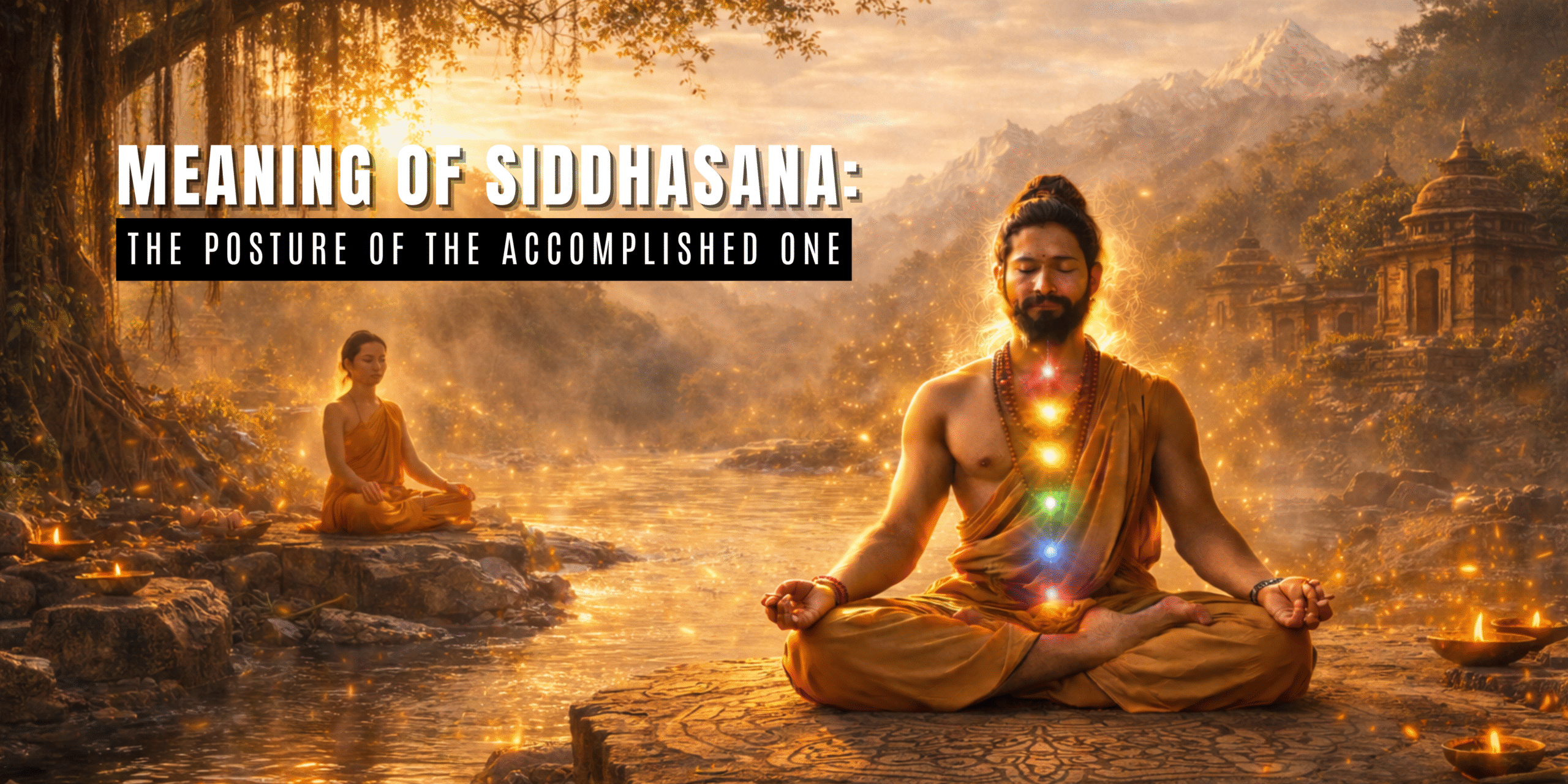
Meaning of Siddhasana: The Posture of the Accomplished One
The word Siddhasana originates from Sanskrit:
Siddha – one who is accomplished, awakened, or perfected
Asana – posture or seat
Together, Siddhasana means “the posture of the accomplished being.”
This is why it is traditionally known as the Siddhasana accomplished pose. In yogic philosophy, a Siddha is not someone who has achieved outer success, but one who has mastered the senses and turned awareness inward. Siddhasana represents this inner accomplishment. The posture symbolizes harmony – grounded in the body, quiet in the mind, and open in awareness.
Unlike dynamic yoga postures designed for movement or strength, Siddhasana was created for deep stillness. It reflects the yogic truth that transformation arises not through effort alone, but through steady presence and inner alignment.
History & Origin of Siddhasana
Siddhasana originates from ancient Indian yogic traditions, where it was regarded as one of the most essential postures for meditation and spiritual discipline. Classical yogic teachings describe Siddhasana as a preferred seat for seekers pursuing self-realization.
Historically, practitioners remained in this posture for long hours of meditation, breath control, and self-inquiry. Its continued relevance-spanning from India to the Western world – demonstrates its universal effectiveness and timeless wisdom.
What Is Siddhasana? (Understanding the Posture)
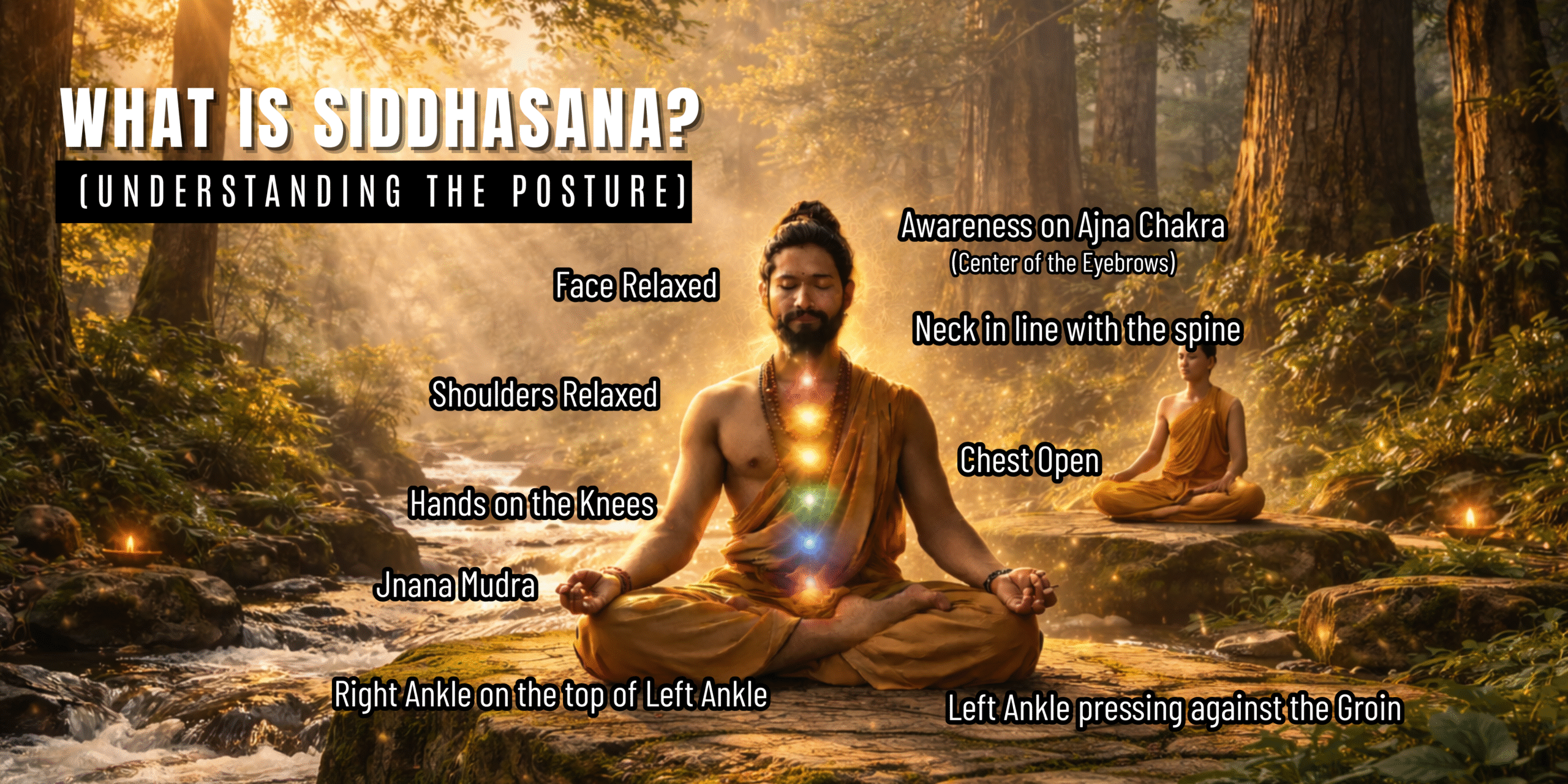
Siddhasana is a seated yoga posture for meditation in which the legs are folded in a precise and grounding manner to establish physical stability and mental focus.
This posture is designed to:
- Keep the spine naturally upright
- Minimize unnecessary body movement
- Support long meditation sittings
- Encourage inward awareness
Because of these qualities, Siddhasana is often chosen over casual sitting or more complex yoga postures.
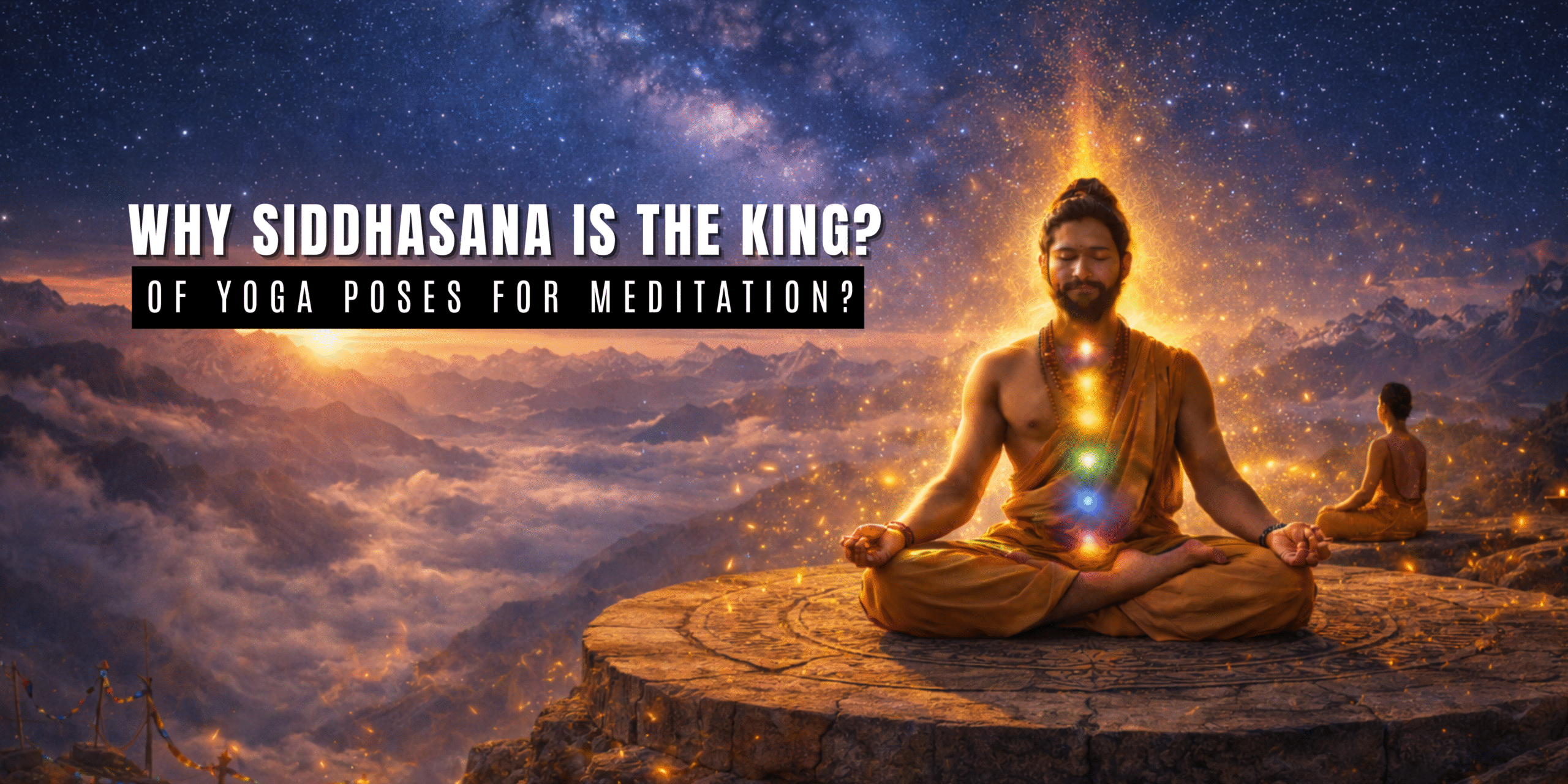
Why Siddhasana Is the King of Yoga Poses for Meditation?
Siddhasana is widely regarded as the king of meditation poses-not as a title of pride, but of function, depth, and experience.
Supreme Stability
Siddhasana creates a natural lock in the lower body, reducing physical restlessness. This stability allows practitioners to sit comfortably for extended periods, making it ideal for long meditation sessions.
Effortless Breath Flow
The upright spine and relaxed posture allow the breath to flow freely. This makes Siddhasana one of the best sitting postures for meditation and pranayama, especially breath-based practices followed worldwide.
Quietening of the Mind
When our body becomes still, our mind naturally follows. Siddhasana minimizes physical distraction, helping practitioners enter deep concentration and inner silence.
Energetic Balance
Yogic traditions regard Siddhasana as highly supportive of inward focus and subtle awareness, making it a powerful seat for spiritual meditation and inner awakening.
Accessible Yet Profound
Unlike advanced yoga poses, Siddhasana does not require extreme flexibility. This accessibility makes it suitable for modern practitioners across cultures, while still offering profound meditative depth.
For these reasons, Siddhasana is often described as a throne for awareness – a posture in which meditation unfolds naturally.
How to Practice Siddhasana (Step-by-Step)?
- Step 01. Sit on the floor with legs extended.
- Step 02. Fold the left leg and place the heel gently at the perineum.
- Step 03. Fold the right leg, placing the heel above the left ankle.
- Step 04. Let the feet rest naturally between the thigh and calf.
- Step 05. Sit tall with a relaxed, upright spine.
- Step 06. Rest the hands on the knees in a comfortable mudra.
- Step 07. Close the eyes and breathe slowly and naturally. Remain still, allowing awareness to settle inward.
What are the benefits of Siddhasana?
Benefits for Mind:
- Improves focus and mental clarity
- Reduces stress and mental restlessness
- Supports mindfulness and meditation
Benefits for Body:
- Encourages healthy spinal posture
- Reduces strain during prolonged sitting
- Supports the nervous and digestive systems
Benefits for Soul:
- Cultivates inner stillness
- Enhances self-awareness
- Supports spiritual discipline and growth
Siddhasana for Meditation & Pranayama
Siddhasana is one of the most recommended postures for meditation and gentle pranayama. Its physical stillness allows the breath to become smooth and subtle, guiding awareness inward with ease.
Tips for Practicing Siddhasana Safely
- Use a cushion or folded blanket if hips feel tight
- Never force the knees or ankles
- Keep the spine relaxed, not rigid
- Start with short sessions and increase gradually
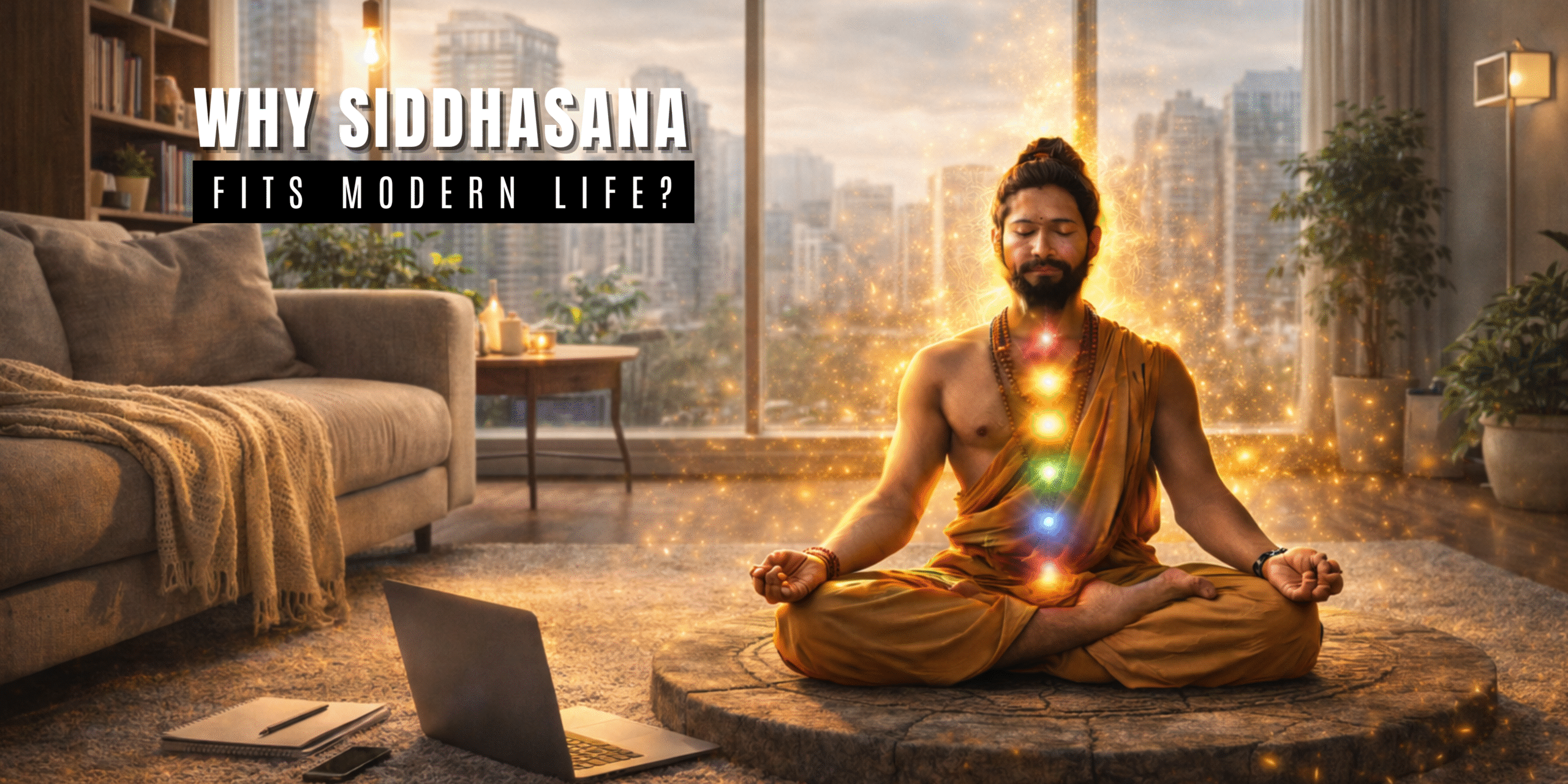
Why Siddhasana Fits Modern Life?
In fast-paced modern lifestyles across the world, Siddhasana offers a grounding ritual that requires no equipment, no intensity, and no complexity—only presence.
Conclusion: The Power of the Accomplished Pose
Siddhasana is not about effort-it is about arrival. Known as the Siddhasana accomplished pose, it reminds us that mastery begins when we learn to sit fully present.
In its simplicity lies profound depth. In its stillness lies awakening.
Begin your inner journey today. Sit in Siddhasana, breathe consciously, and allow stillness to transform your awareness.
Sometimes, the most powerful movement is learning, how to be still.
FAQs (Additional Insights Beyond the Content)
Q: Is Siddhasana suitable for mindfulness meditation beginners?
A: Yes, it is one of the most beginner-friendly meditation postures.
Q: Can Siddhasana be practiced daily?
A: Yes, daily practice is encouraged-even for short durations.
Q: Is Siddhasana better than sitting on a chair for meditation?
A: For many practitioners, Siddhasana offers better spinal alignment and deeper mental focus than chair sitting.
Very helpful article on Siddhasana Simple explanation and great benefits explained. Thank you for sharing 🙏