
Pranayama: Unlock the Power of Breathing for Mind, Body & Soul
Introduction
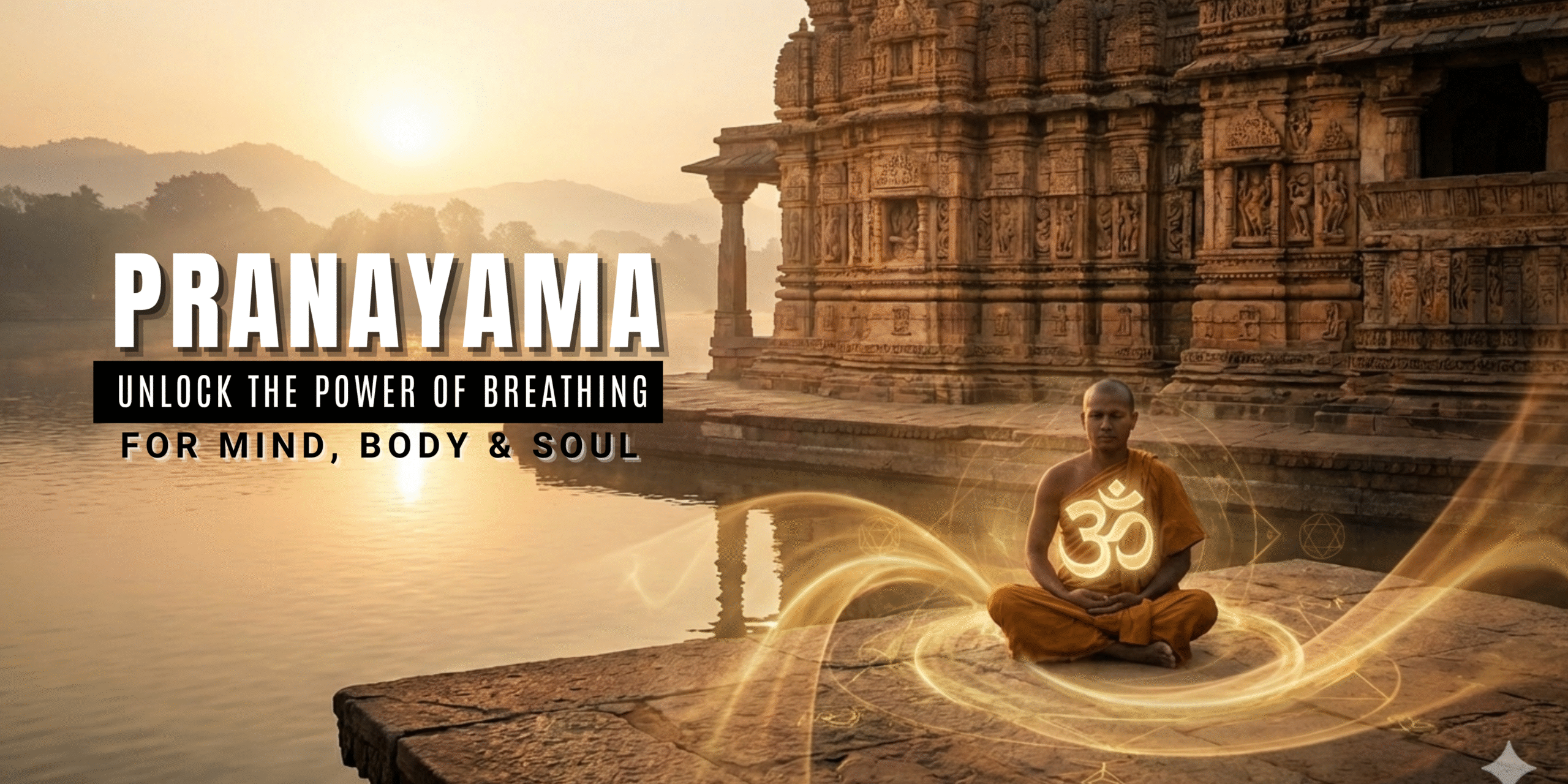
Breathing is the bridge between body and mind – something we do unconsciously every second, yet it holds incredible power when done mindfully. Pranayama, the ancient yogic practice of controlled breathing, teaches us to harness this power. It is more than just an exercise; it’s a path to balance, clarity, and holistic well-being.
What is Pranayama?
Pranayama is a Sanskrit word derived from two roots:
“Prana” – meaning life force or vital energy
“Ayama” – meaning control, extension, or expansion
Together, Pranayama translates to “extension or regulation of life force through breath.” It forms a fundamental limb of Yoga, as described in Patanjali’s Yoga Sutras, and serves as a link between physical postures (Asanas) and meditation (Dhyana).
Origin and Meaning of Pranayama
Pranayama finds its roots in ancient India, dating back thousands of years. The practice was first documented in the Upanishads and later formalized in Patanjali’s Ashtanga Yoga, which identifies Pranayama as the fourth limb – a gateway to deeper states of consciousness. Ancient yogis believed that controlling the breath controls the mind. When the breath is steady, the mind becomes calm – allowing spiritual energy to flow freely
Types of Pranayama
Each type of pranayama has a unique purpose and effect on the body and mind. Let’s explore the most widely practiced forms:
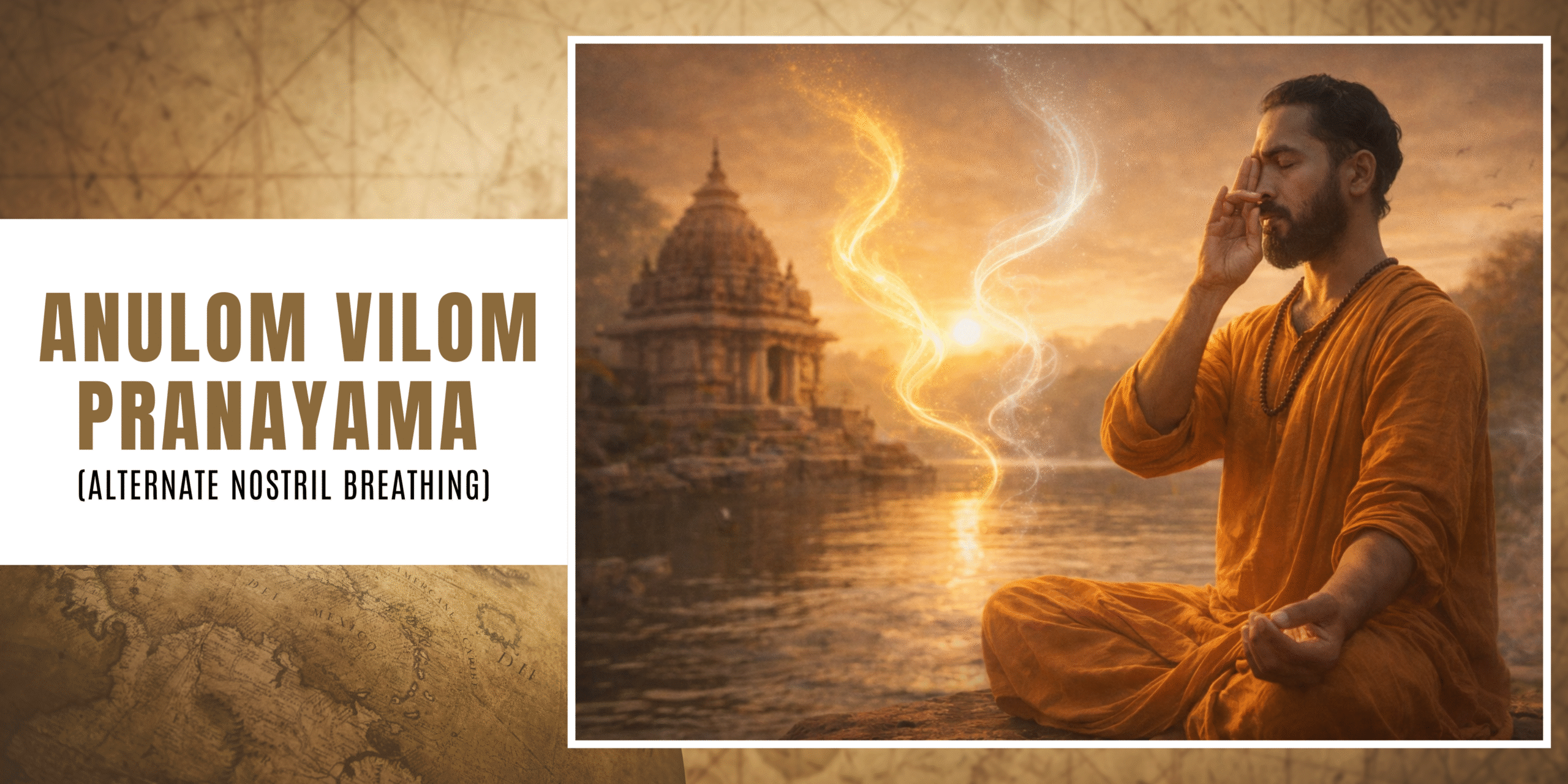
1. Anulom Vilom Pranayama (Alternate Nostril Breathing)
A balancing technique for breathing, where a person inhale through one nostril and exhale through the other.
Anulom Vilom Pranayama Benefits:
- Balances the nervous system
- Enhances focus and clarity
- Calms anxiety and promotes inner peace
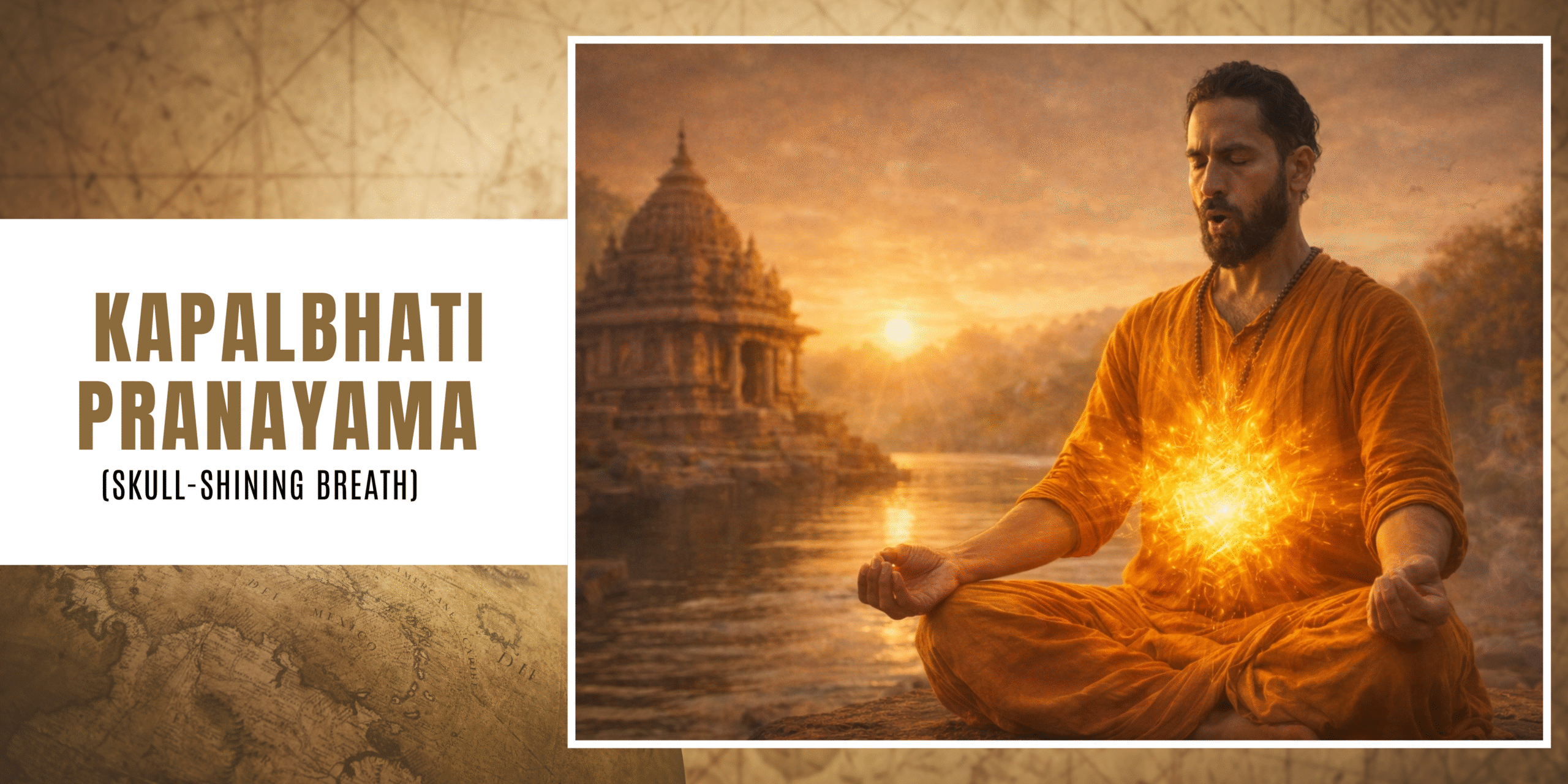
2. Kapalbhati Pranayama (Skull-Shining Breath)
This is a powerful cleansing technique involving short, forceful exhalations and passive inhalations.
Kapal Bhati Pranayama Benefits:
- Detoxifies lungs and sinuses
- Stimulates digestion and metabolism
- Improves oxygen flow and mental sharpness
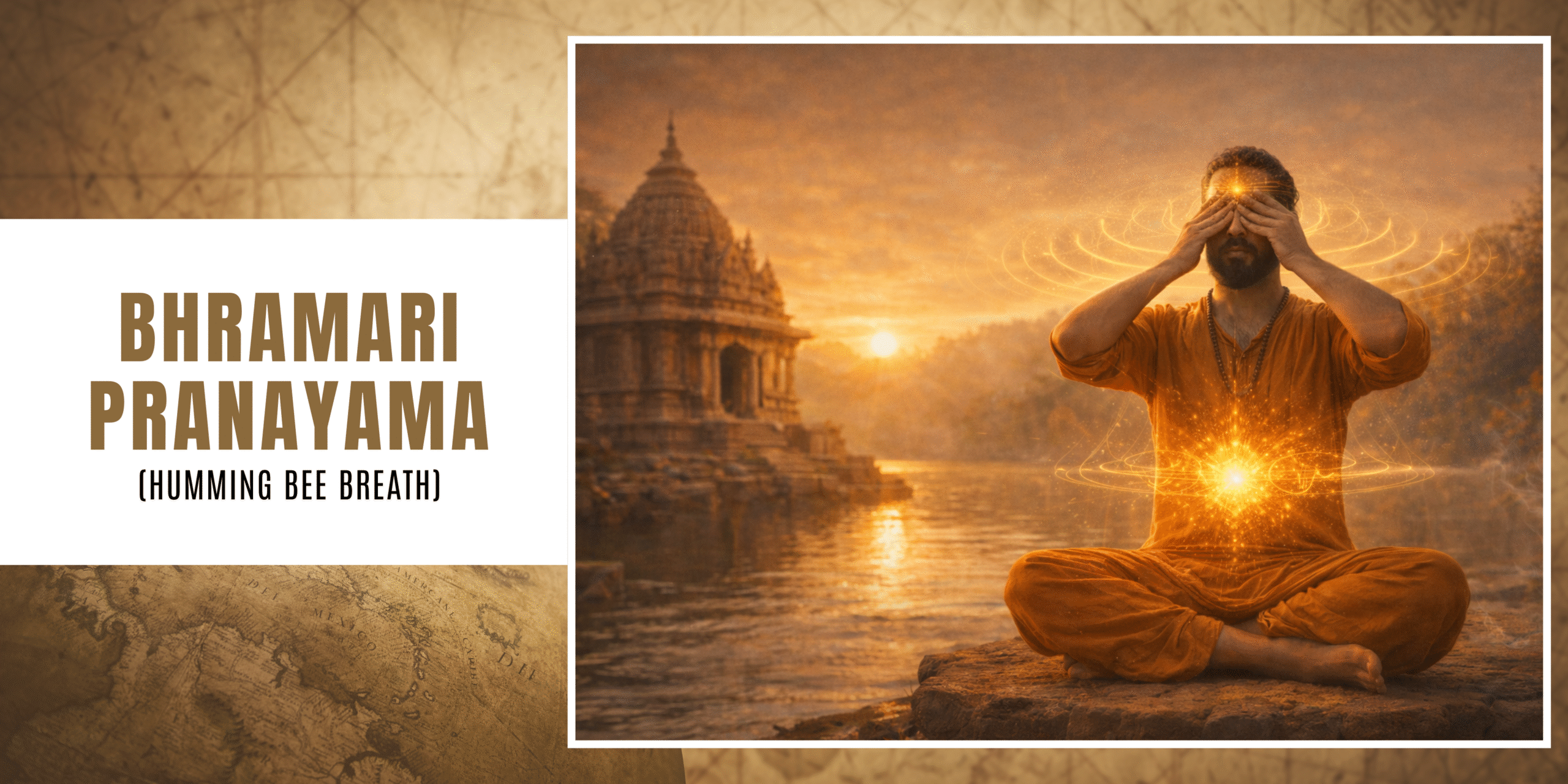
3. Bhramari Pranayama (Humming Bee Breath)
Named after the sound of a humming bee, this practice involves making a gentle humming sound during exhalation.
Bhramari Pranayama Benefits:
- Reduces stress and insomnia
- Improves concentration
- Helps manage anger and frustration
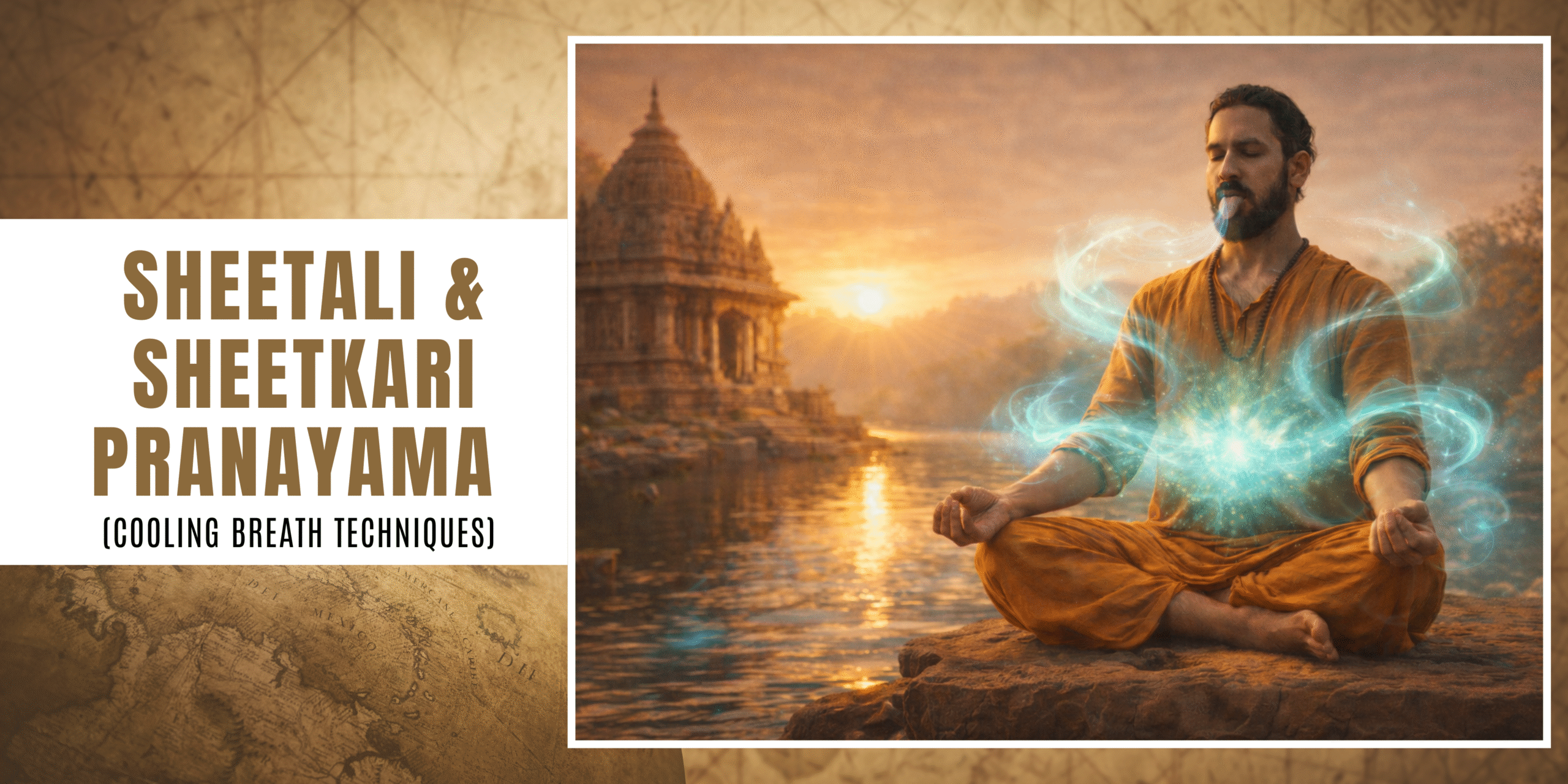
4. Sheetali & Sheetkari Pranayama (Cooling Breath Techniques)
These techniques cool down the body by inhaling through the mouth and exhaling through the nose.
Sheetali & Sheetkari Pranayama Benefits:
- Reduces body heat
- Soothes nerves and helps in relaxation
- Aids in controlling blood pressure
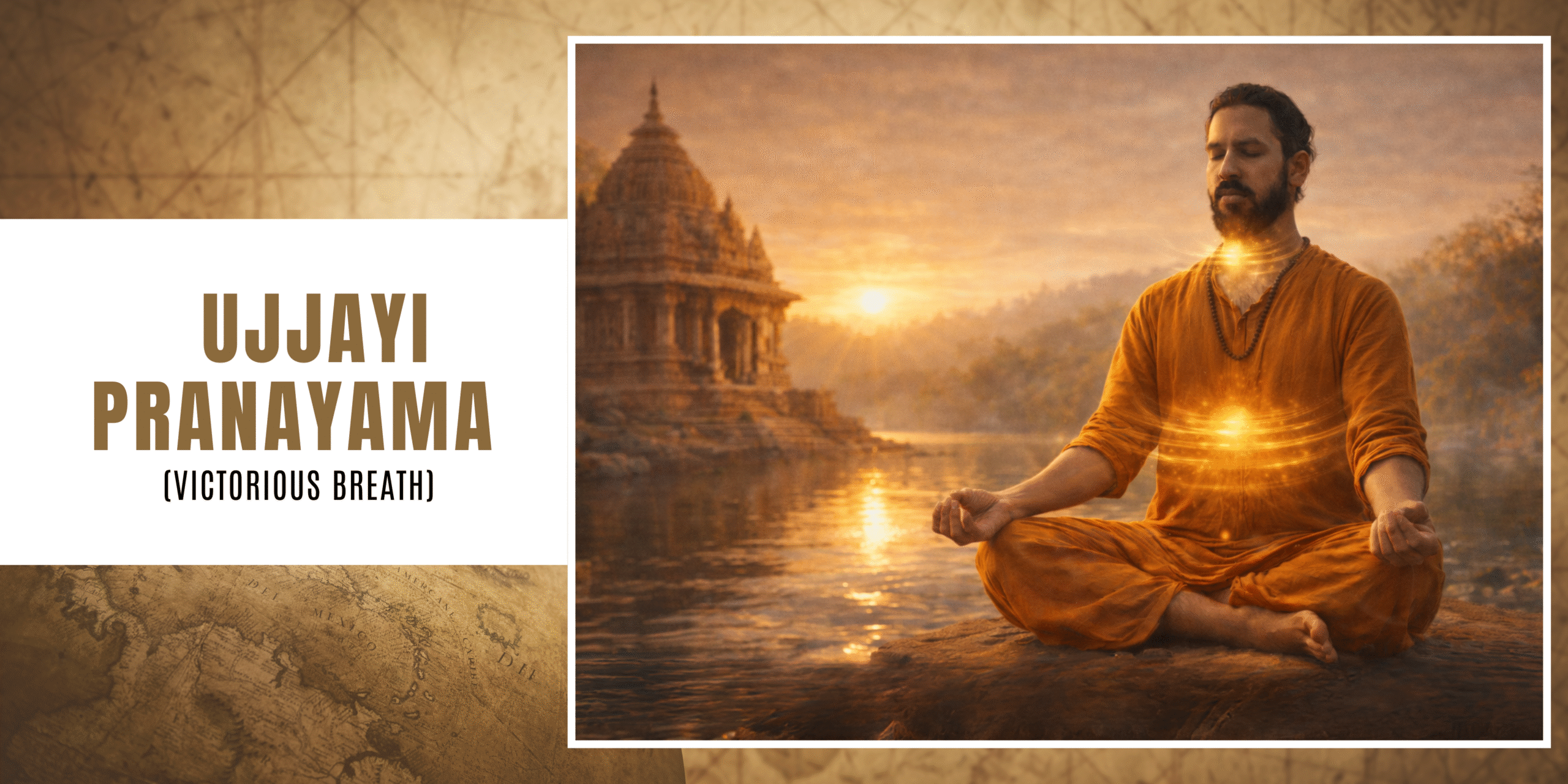
5. Ujjayi Pranayama (Victorious Breath)
A slow, deep breathing technique that produces a gentle oceanic sound from the throat.
Ujjayi Pranayama Benefits:
- Calms the mind
- Increases lung capacity
- Builds internal heat, aiding focus in meditation
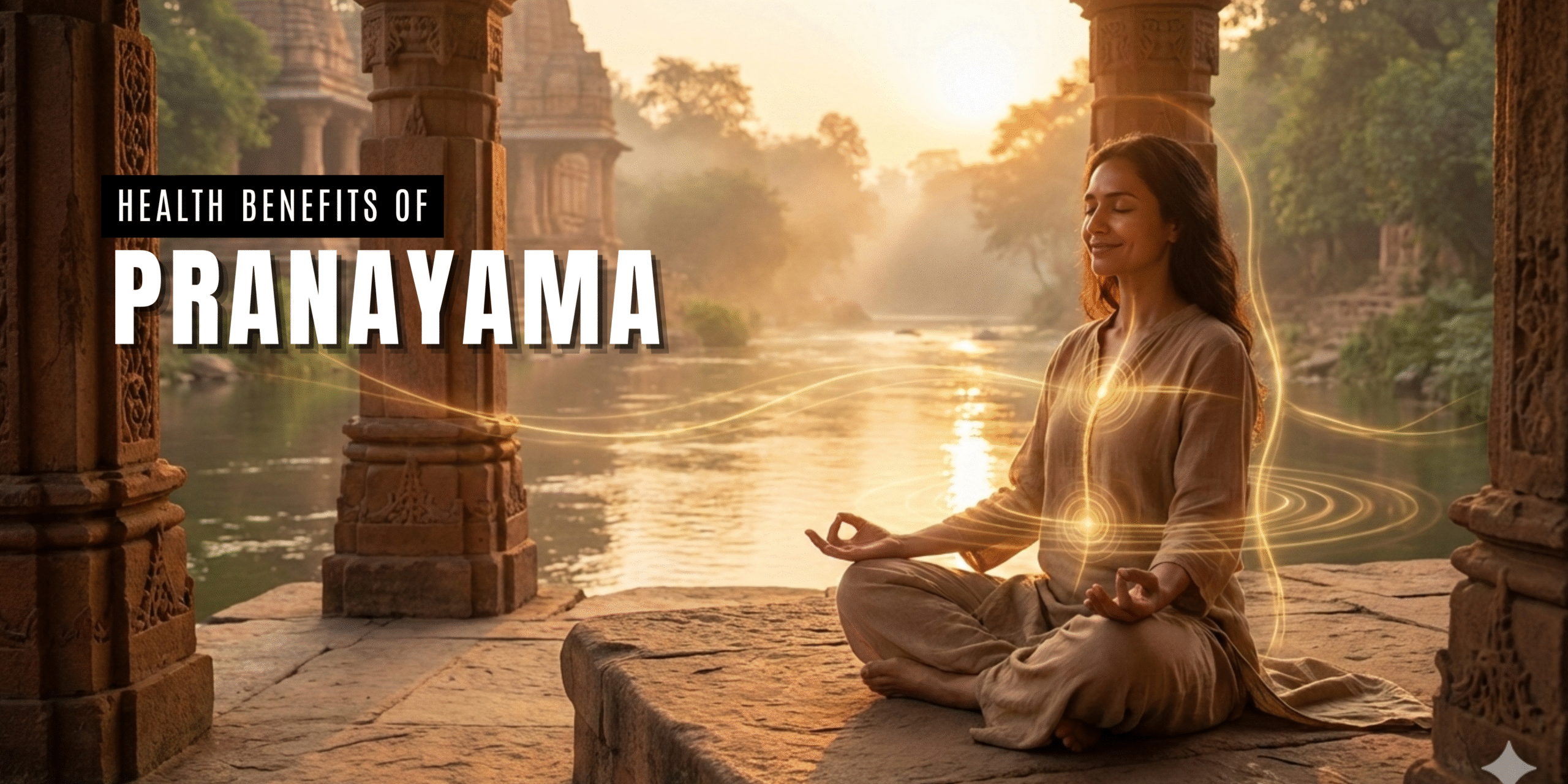
Health Benefits of Pranayama
Physical Benefits:
- Strengthens respiratory system and lung capacity
- Improves blood circulation and oxygen delivery
- Boosts immunity and digestion
- Supports heart health and detoxification
- Enhances overall energy levels
Mental & Emotional Benefits:
- Reduces stress, anxiety, and depression
- Increases mindfulness and emotional balance
- Enhances memory, focus, and decision-making
- Promotes better sleep and mental clarity
- Fosters a deeper sense of inner calm
The Science Behind Pranayama
Modern science supports what ancient yogis knew intuitively. Research shows that controlled breathing impacts the autonomic nervous system, helping regulate the sympathetic (fight-or-flight) and parasympathetic (rest-and-digest) responses.
Studies published in journals like Frontiers in Psychology and The Journal of Clinical Psychology reveal that pranayama:
- Lowers cortisol (stress hormone) levels
- Reduces heart rate and blood pressure
- Enhances oxygen exchange and metabolic efficiency
- Activates brain regions linked to relaxation and awareness
In short, pranayama trains your physiology to stay calm, centered, and energized.
Tips for Beginners:
If you’re new to pranayama, here’s how to start safely:
- Find a quiet spot: Practice in a clean, calm environment.
- Empty stomach: Ideal time is early morning or 3 hours after a meal.
- Start slow: Begin with 5-10 minutes of gentle breathing.
- Sit comfortably: Keep your spine straight; don’t strain.
- Consistency matters: Daily practice creates real transformation.
- Learn from a guide: If possible, practice under a certified yoga instructor.
Conclusion:
Pranayama is not just about breathing – it’s about living consciously. Each breath you take holds the potential to renew your energy, calm your mind, and align your body with balance. In a world full of noise, this ancient practice reminds us that peace begins with a single, mindful breath.
Start Your Breathing Journey Today
Practice pranayama daily and experience calm, clarity, and vibrant energy. Explore more yoga and meditation guides on YogicVeda and begin your path toward holistic wellness.
Frequently Asked Questions (FAQs)
Q1: Can I practice pranayama at night?
A: Yes, gentle forms like Bhramari or Anulom Vilom are excellent before sleep as they relax the nervous system.
Q2: How long should I do pranayama daily?
A: Start with 10-15 minutes and gradually increase as your comfort grows.
Q3: Can pranayama help with weight loss?
A: Certain techniques like Kapalbhati stimulate metabolism, aiding weight management when combined with a healthy lifestyle.
Q4: Is pranayama suitable for children or seniors?
A: Yes, with mild variations and under proper guidance, it’s safe for all age groups.
Q5: What are the precautions before doing pranayama?
A: Avoid practicing immediately after meals, and skip intense techniques if you have high blood pressure, heart issues, or respiratory problems without professional advice.
Wow well done intresting 👍👍 very helpful to learn and get knowledge
Amazing blog, clear information about pranayam and it’s type, no jargon and very well structured blog. Yogicveda keep it up. Waiting for your next blog.
Very interesting and well explained. Thank you for clarifying all the concepts