
Meditation: The Inner Revolution – History, Types & Benefits for Modern Life
The Inner Revolution: Why Meditation is a Non-Negotiable Necessity for Modern Life
In our world of constant notifications, endless to-do lists, and perpetual connectivity, our minds often feel like a browser with too many tabs open. We are busy, but are we truly present? The truth is, the noise of modern life is taking a toll on our peace and focus.
The antidote? A simple, powerful practice refined over millennia: meditation.
Far from being a spiritual luxury, meditation is a fundamental practice for anyone seeking clarity, calm, and genuine well-being in the 21st century. Let’s delve into its profound history, explore its many forms, and uncover why meditation is necessary for life today.
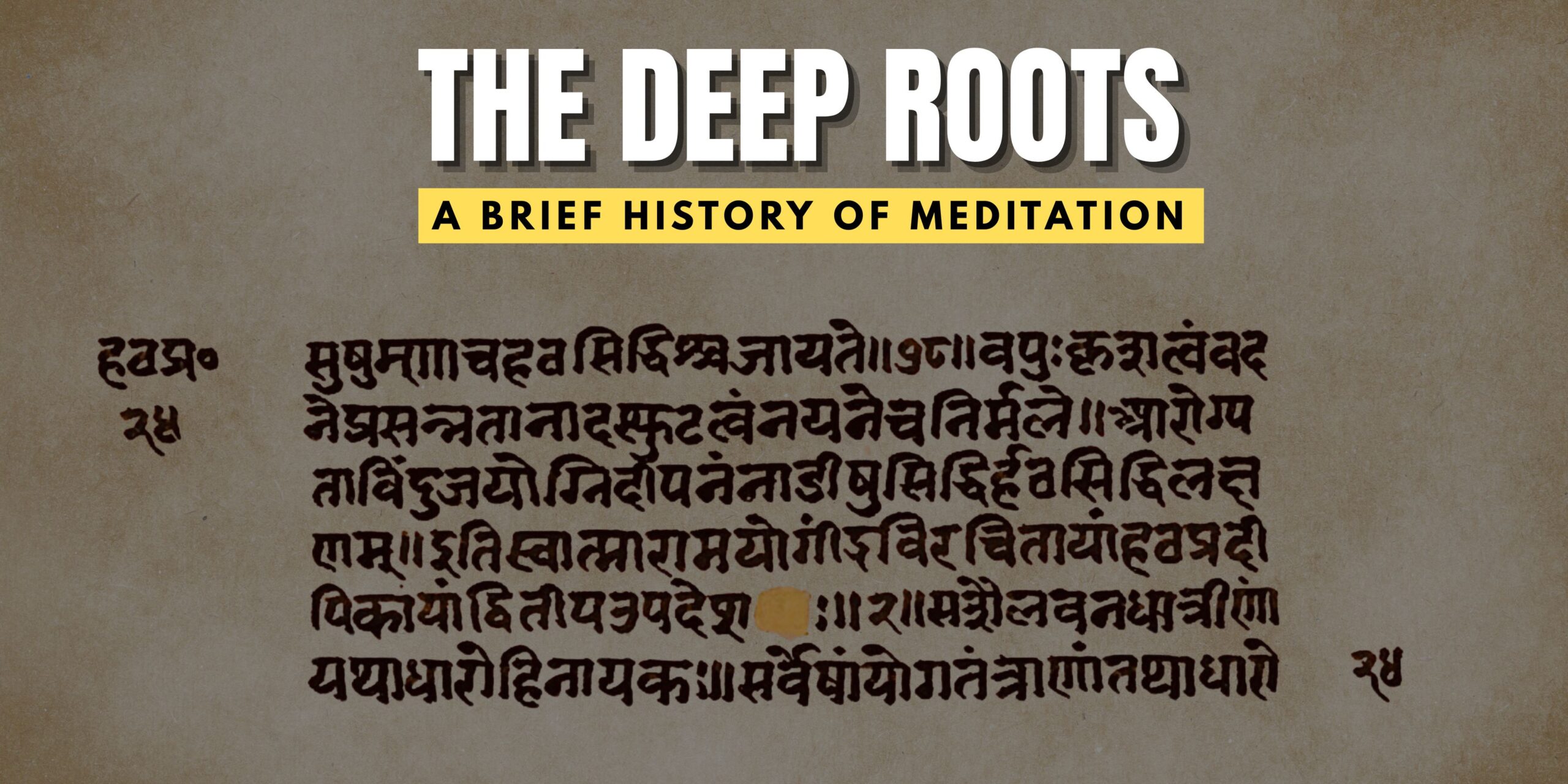
The Deep Roots: A Brief History of Meditation
The practice we call “meditation” isn’t a modern fad; it has deep, ancient roots that span civilizations and millennia.
The Vedic and Pre-Buddhist Era (c. 1500 BCE)
- Origin in Ancient India: The earliest documented evidence of meditative practices is found in the Vedic texts of India around 1500 BCE. These early practices were integral to Hinduism and later, Yoga, focusing on techniques for connecting to one’s inner self and achieving spiritual insight.
- The Indus Valley Clues: Archaeological findings from the Indus Valley Civilisation (as early as 3000 BCE) depict figures in meditative or yogic postures, suggesting the practice is even older than the written records.
The Golden Age of Development (c. 6th–5th Century BCE)
- The Buddha’s Insight: The most significant development came with the rise of Buddhism in India. Siddhartha Gautama (the Buddha) attained enlightenment through profound meditative concentration, leading to the development of techniques like Ānāpānasati (mindfulness of breathing) and Vipassanā (insight meditation).
- Taoist and Chinese Influence: Around the same time, contemplative practices were also developing in Taoist China, emphasizing harmony, nature, and stillness.
Meditation Reaches the West
While elements of contemplation existed in early Christianity and Judaism, the practice as we know it began to gain popularity in the West in the late 19th and early 20th centuries. The 1960s and 70s saw a major surge, with Eastern teachers bringing techniques like Transcendental Meditation (TM) to a wider audience. Today, thanks to scientific research, meditation is widely accepted not just as a spiritual tool but as a powerful health and wellness intervention.
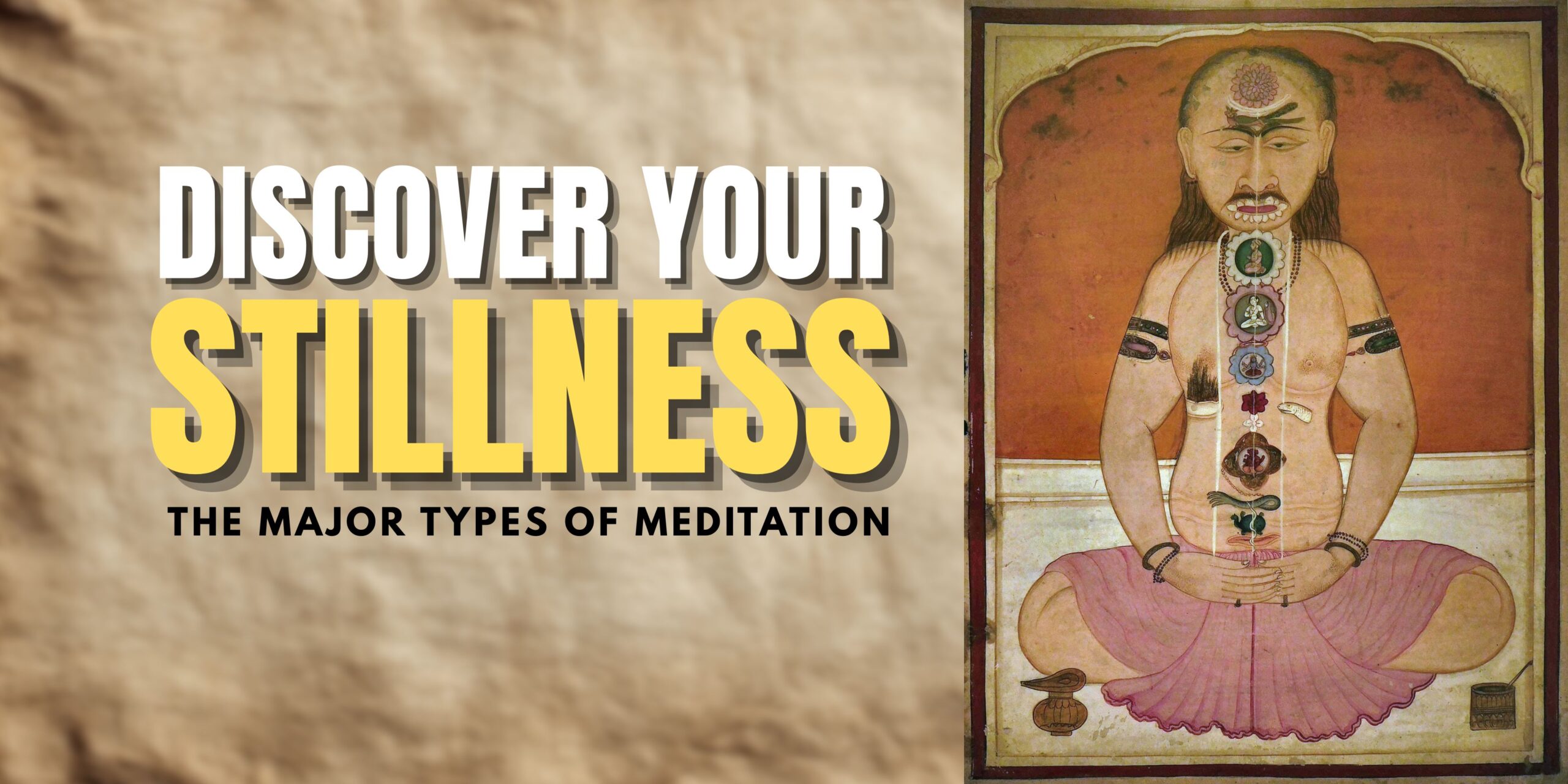
Just as there are many roads to a city, there are many paths to a calm mind. Finding the right type of meditation is key to maintaining a consistent practice.
Type of Meditation Core Focus/Technique
- Mindfulness Meditation: Paying non-judgmental attention to the present moment (thoughts, feelings, sensations, sounds).
- Concentration Meditation: Focusing intently on a single point, like the breath, a candle flame, or a specific object.
- Mantra Meditation: Silently or aloud repeating a word, sound, or phrase (a mantra) to anchor the mind.
- Loving-Kindness (Metta): Cultivating feelings of love, compassion, and goodwill towards oneself and others.
- Movement Meditation: Using mindful movements like Yoga, Tai Chi, or walking meditation to stay present.
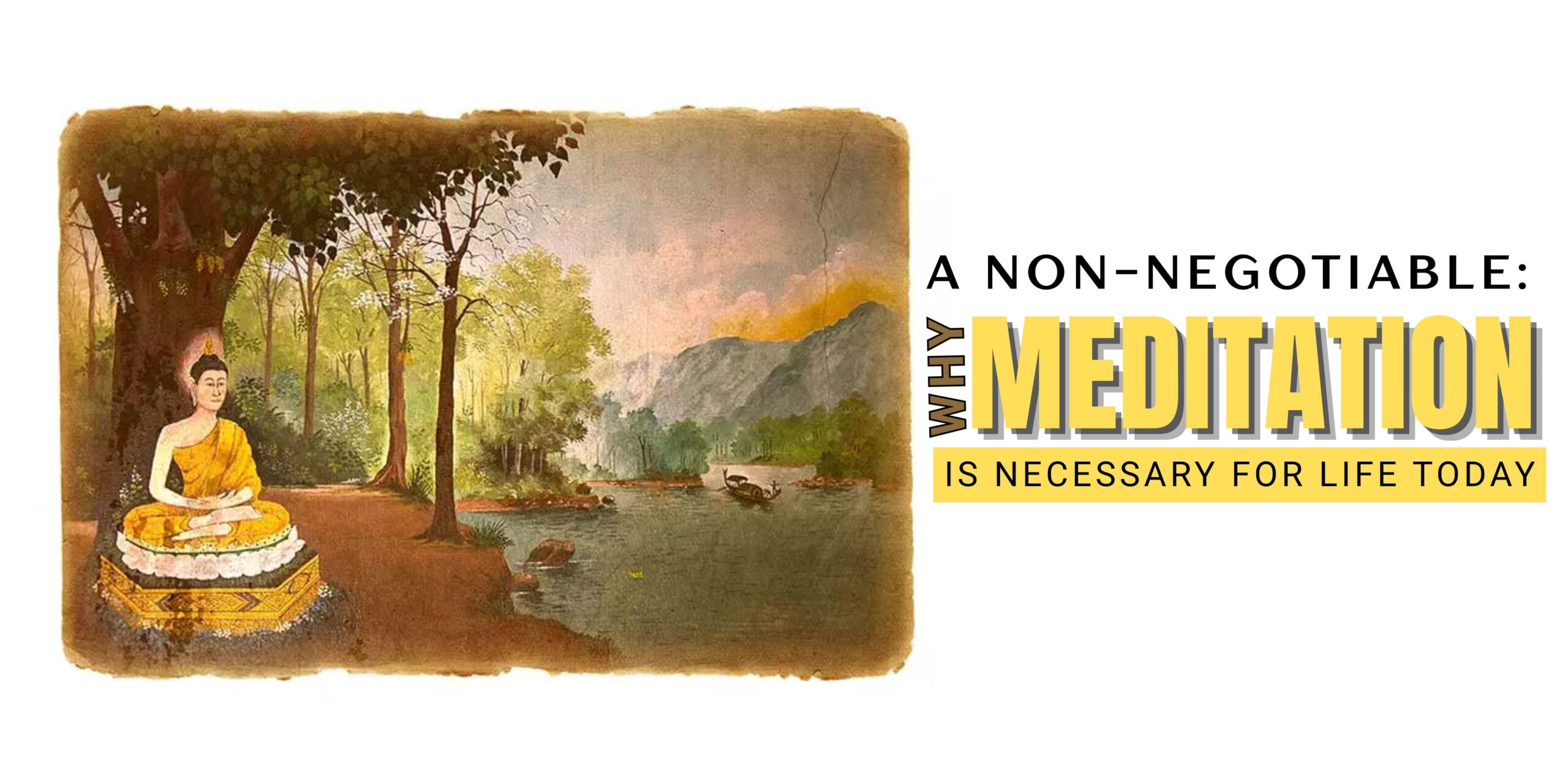
A Non-Negotiable: Why Meditation is Necessary for Life Today
In this digital age, defined by speed and pressure, meditation is no longer optional-it’s essential for survival. Here’s why it’s a vital tool for thriving in modern life:
The Ultimate Stress & Anxiety Management Tool
- Cortisol Reduction: Regular practice has been shown to lower levels of the stress hormone cortisol, moving the body out of the “fight-or-flight” response.
- Emotional Resilience: It teaches you to observe stressful thoughts and feelings without reacting to them, creating a crucial space between stimulus and response.
Sharpening the Mind and Focus
- Improved Attention Span: By repeatedly bringing your attention back to your focus point (like the breath), you train your brain to resist distraction, significantly enhancing your ability to concentrate.
- Increased Clarity: A quieter mind naturally leads to better decision-making and problem-solving.
Enhancing Physical Well-being
- Better Sleep: Meditation helps calm the nervous system, making it easier to fall asleep and improving overall sleep quality.
- Lower Blood Pressure: Consistent practice is linked to a reduction in high blood pressure, contributing to better heart health.
- Pain Management: It can change how your brain perceives pain, reducing the intensity and emotional reaction to chronic pain.
Cultivating Deeper Connection
- Self-Compassion: Meditation fosters a gentle, non-judgmental relationship with yourself, which is the foundation for genuine self-care.
- Empathy and Kindness: Practices like Loving-Kindness meditation actively wire the brain for greater compassion toward others, improving all your personal relationships.
Conclusion:
Take a Seat, Find Your Center
The message is clear: your life is happening now, not in the frantic worrying about yesterday or tomorrow. Meditation is the practice of anchoring yourself firmly in the present.
You don’t need to sit for an hour or travel to a remote monastery. You just need 5-10 minutes a day to sit quietly and practice coming home to yourself. The journey inward might be the most important journey you ever take. Isn’t it time you opened the door to your inner peace?
Frequently Asked Questions (FAQs)
Q: What is the best time of day to meditate?
A: The most effective time to meditate is the time you can do it consistently. Many people prefer the morning to set a calm tone for the day, while others prefer the evening to decompress before sleep.
Q: Do I need a special cushion or a quiet room to start?
A: No. While a dedicated space can be helpful, all you truly need is a comfortable place to sit and a commitment to being present. You can meditate on a chair, a park bench, or even on your morning commute.
Q: Is there a religious component to meditation?
A: Modern meditation is largely secular. While many techniques originated in religious traditions (like Buddhism or Hinduism), they are practiced today by people of all faiths and none, purely for their mental and physical health benefits.
Q: How long will it take to see results from meditation?
A: Most people report feeling calmer and more relaxed after their very first session. However, the deeper, lasting benefits-like reduced anxiety and improved focus-typically emerge after consistent daily practice for several weeks or months. Be patient and kind to yourself!
Such a graceful presentation of yoga as a path to mental clarity and emotional balance. Deeply inspiring.
Authentic, thoughtful, and purpose-driven—this platform reflects the true essence of yoga as a way of life. 🙏
Such a well-explained and insightful piece on meditation. It’s wonderful to see different types of meditation presented with such clarity and simplicity, making it easy for readers to understand and connect with the practice. Resources like this can genuinely help people move towards inner peace and mindfulness.