
Navratri 9 Days Significance: 9 Forms of Durga & Feminine Energy Awakening Guide
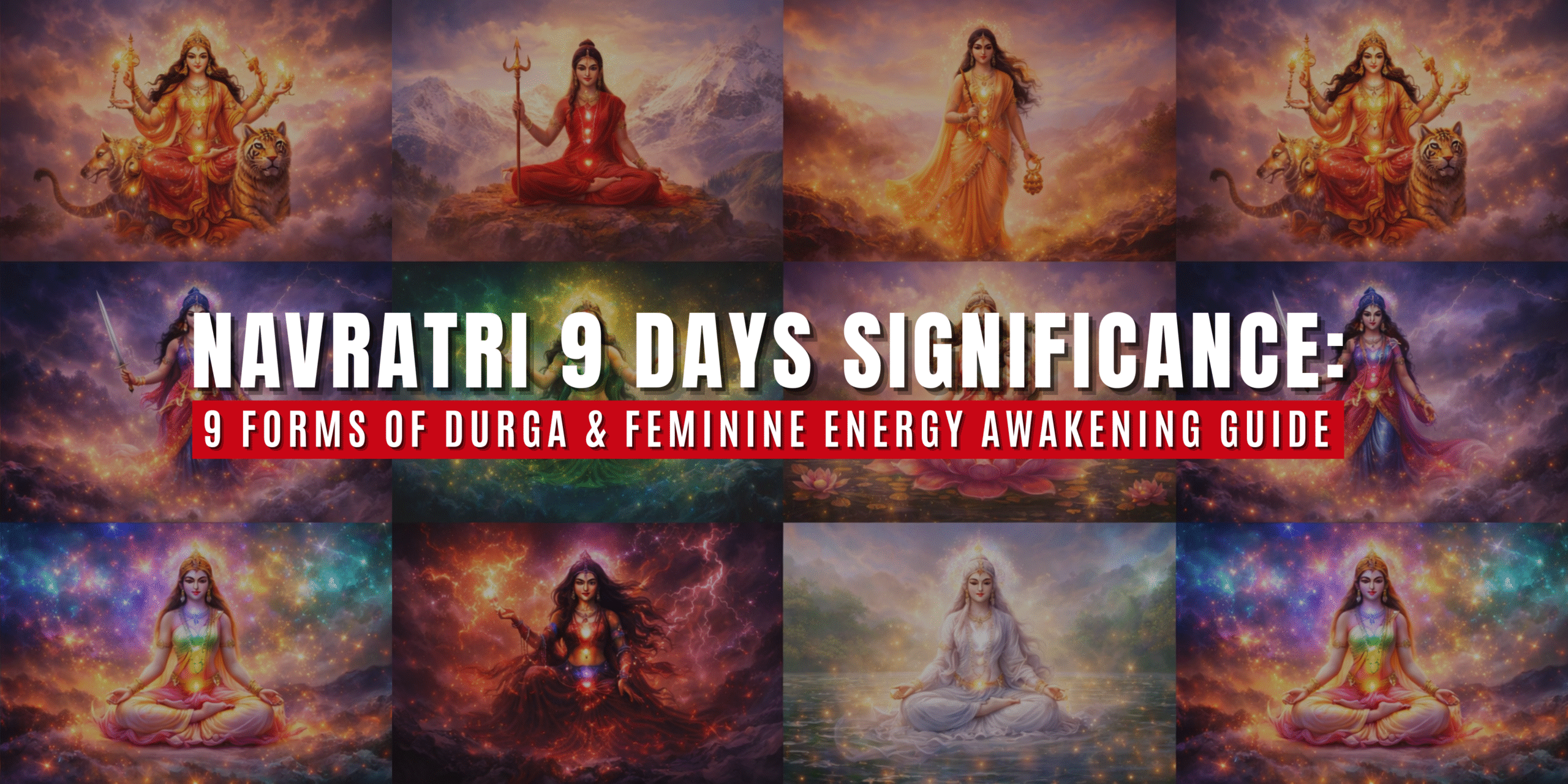
Navratri 9 Days Significance – Introduction:
Navratri is not just a festival – it’s a powerful spiritual awakening for every woman.
The Navratri 9 days significance lies in awakening the dormant energy within you-your inner Shakti. By understanding the 9 forms of Durga and their powers, you begin a journey of transformation, confidence, and deep spiritual connection.
What is Navratri?
Navratri, meaning “nine nights,” is one of the most sacred festivals in India, dedicated to the worship of *Goddess Durga* in her nine divine forms. These nine days symbolize the journey from darkness to light, ignorance to wisdom, and weakness to empowerment.
The Navratri 9 days significance goes beyond rituals – it is a spiritual roadmap for inner transformation, especially for women seeking connection with their true power.
Meaning of Shakti & Divine Feminine Energy
Shakti represents the cosmic feminine force – the energy that creates, nurtures, and transforms the universe. It is not just a religious concept but a living energy within every woman.
Divine feminine spirituality is about embracing intuition, compassion, strength, and wisdom. It reminds us that softness and power can coexist beautifully.
Connection Between Women Empowerment & Spirituality –Navratri 9 Days Significance
In today’s fast-paced world, many women are rediscovering their inner Shakti through spiritual practices. Women empowerment through spirituality is about reclaiming confidence, setting boundaries, and aligning with one’s higher purpose. Navratri becomes a sacred opportunity for feminine energy awakening – a time to honor both inner strength and grace.
Let’s explore Navratri 9 Days Significance and how it activates a unique aspect of feminine energy and spiritual growth.
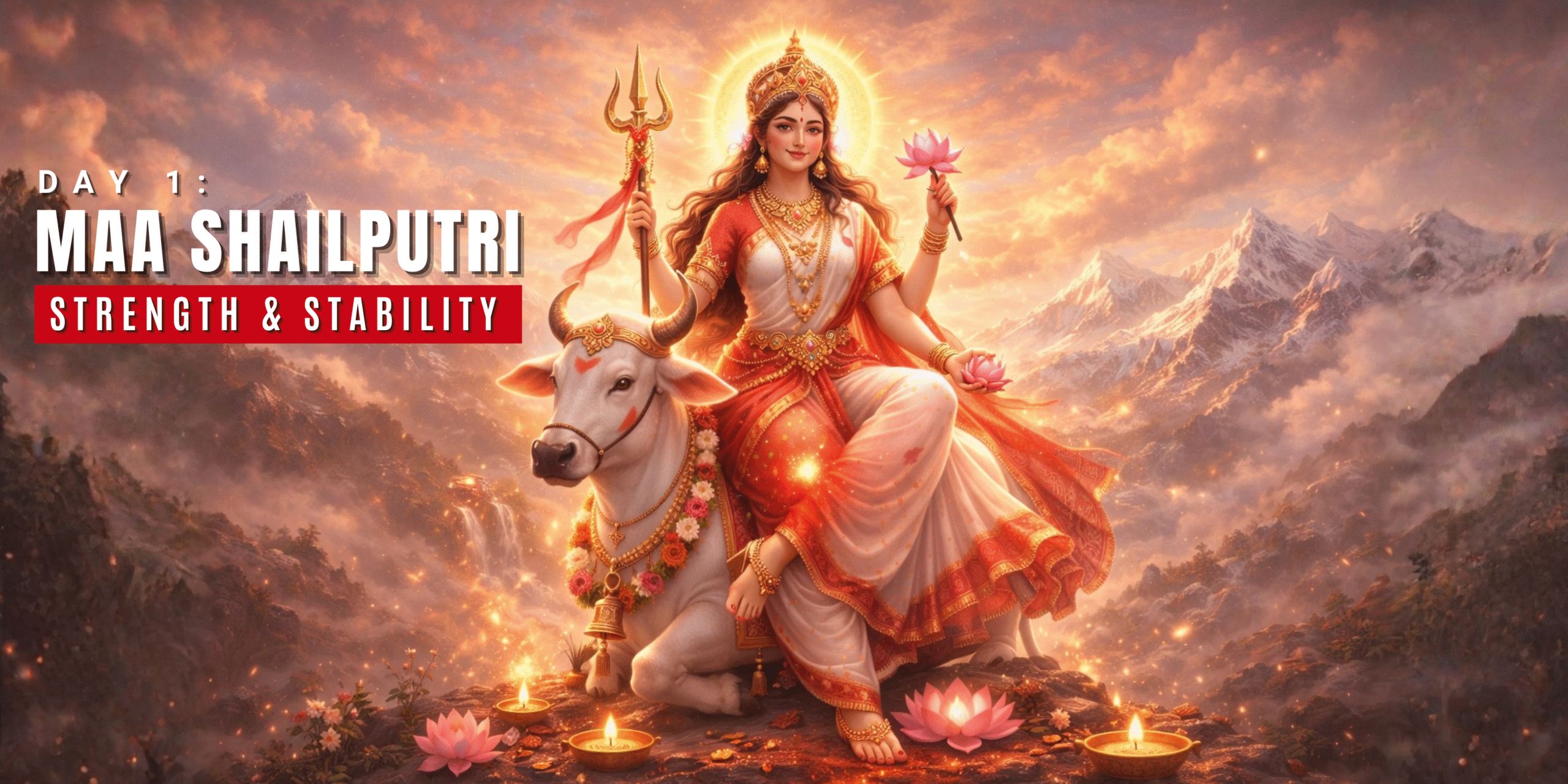
Day 1 – Shailputri – Strength & Stability (Root Chakra) – Navratri 9 Days Significance
Spiritual Significance: Shailputri, the daughter of the mountains, symbolizes grounded strength and resilience.
Feminine Energy: Stability, courage, and foundational strength.
Inner Shakti Connection: She teaches women to stand firm in their identity and embrace their roots.
Chakra Association: Root Chakra (Muladhara) – grounding and security.
Practice:
- Yoga Asana: Tadasana (Mountain Pose)
- Pranayama: Deep Belly Breathing
- Meditation/Affirmation: “I am grounded, safe, and strong.”
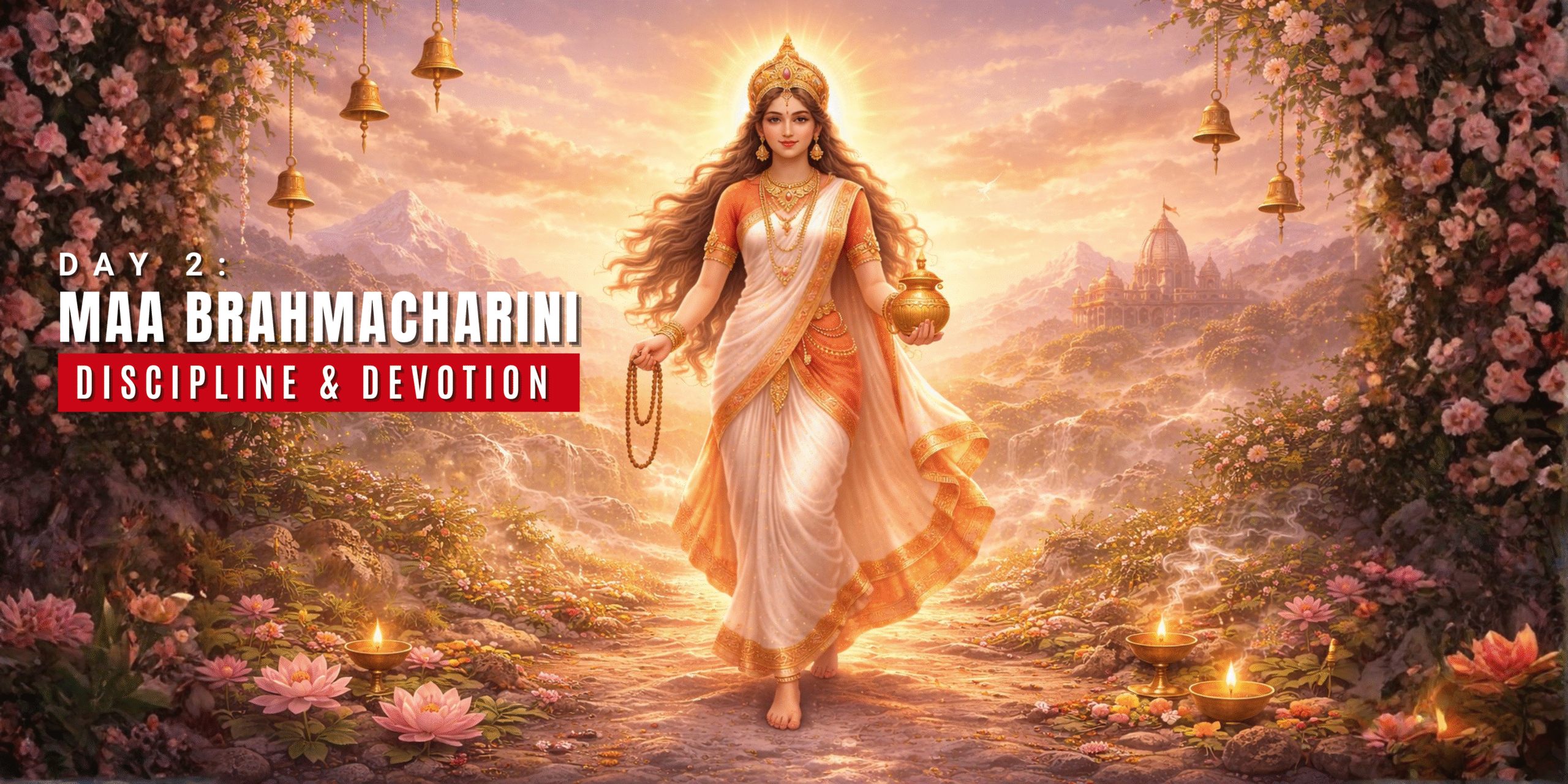
Day 2 – Brahmacharini – Discipline & Devotion – Navratri 9 Days Significance
Spiritual Significance: She represents penance, dedication, and spiritual pursuit.
Feminine Energy: Focus, patience, and commitment.
Inner Shakti Connection: Encourages women to stay consistent in their goals and trust their journey.
Chakra Association: Sacral Chakra (Svadhisthana)
Practice:
- Yoga: Baddha Konasana
- Pranayama: Anulom Vilom
- Affirmation: “I am dedicated and aligned with my purpose.”
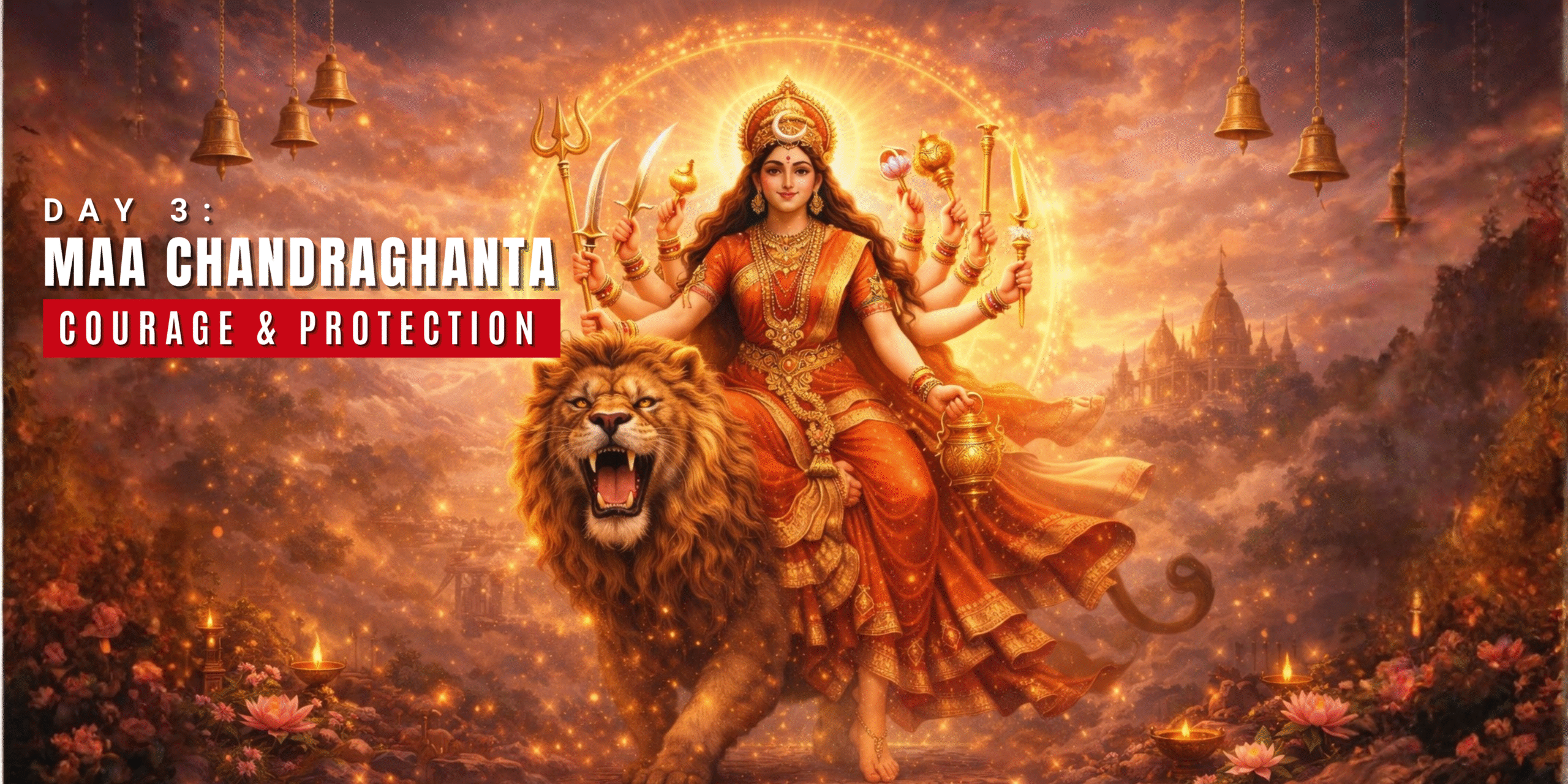
Day 3 – Chandraghanta – Courage & Protection – Navratri 9 Days Significance
Spiritual Significance: A warrior goddess who removes fear and negativity.
Feminine Energy: Courage, protection, confidence.
Inner Shakti Connection: Empowers women to speak up and protect their peace.
Chakra Association: Solar Plexus (Manipura)
Practice:
- Yoga: Warrior Pose (Virabhadrasana)
- Pranayama: Kapalbhati
- Affirmation: “I am fearless and powerful.”
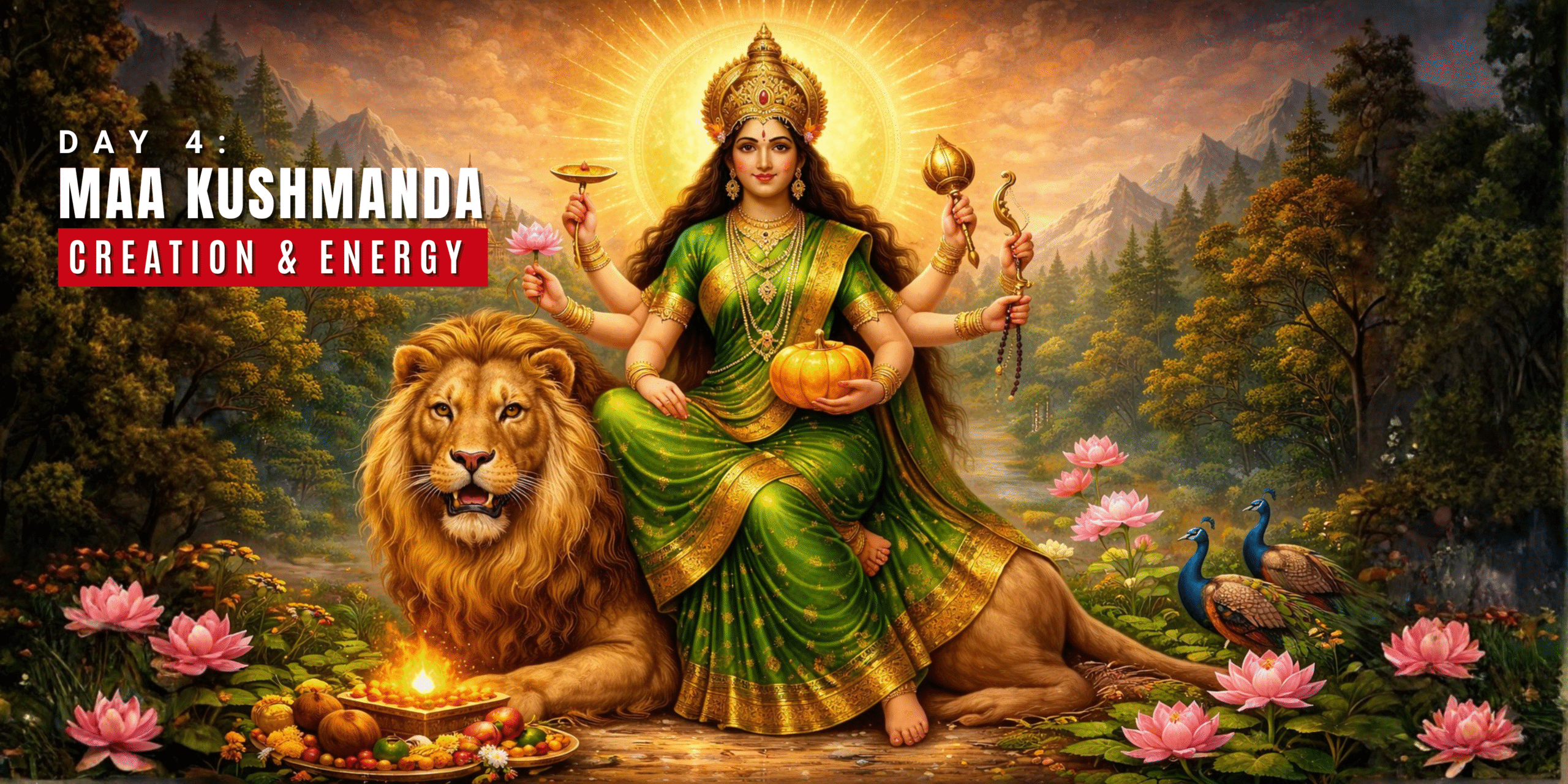
Day 4 – Kushmanda – Creation & Energy – Navratri 9 Days Significance
Spiritual Significance: Creator of the universe, symbolizing light and energy.
Feminine Energy: Creativity, vitality, abundance.
Inner Shakti Connection: Encourages women to create -ideas, life, opportunities.
Chakra Association: Heart Chakra (Anahata)
Practice:
- Yoga: Bhujangasana (Cobra Pose)
- Pranayama: Bhastrika
- Affirmation: “I radiate energy and creativity.”
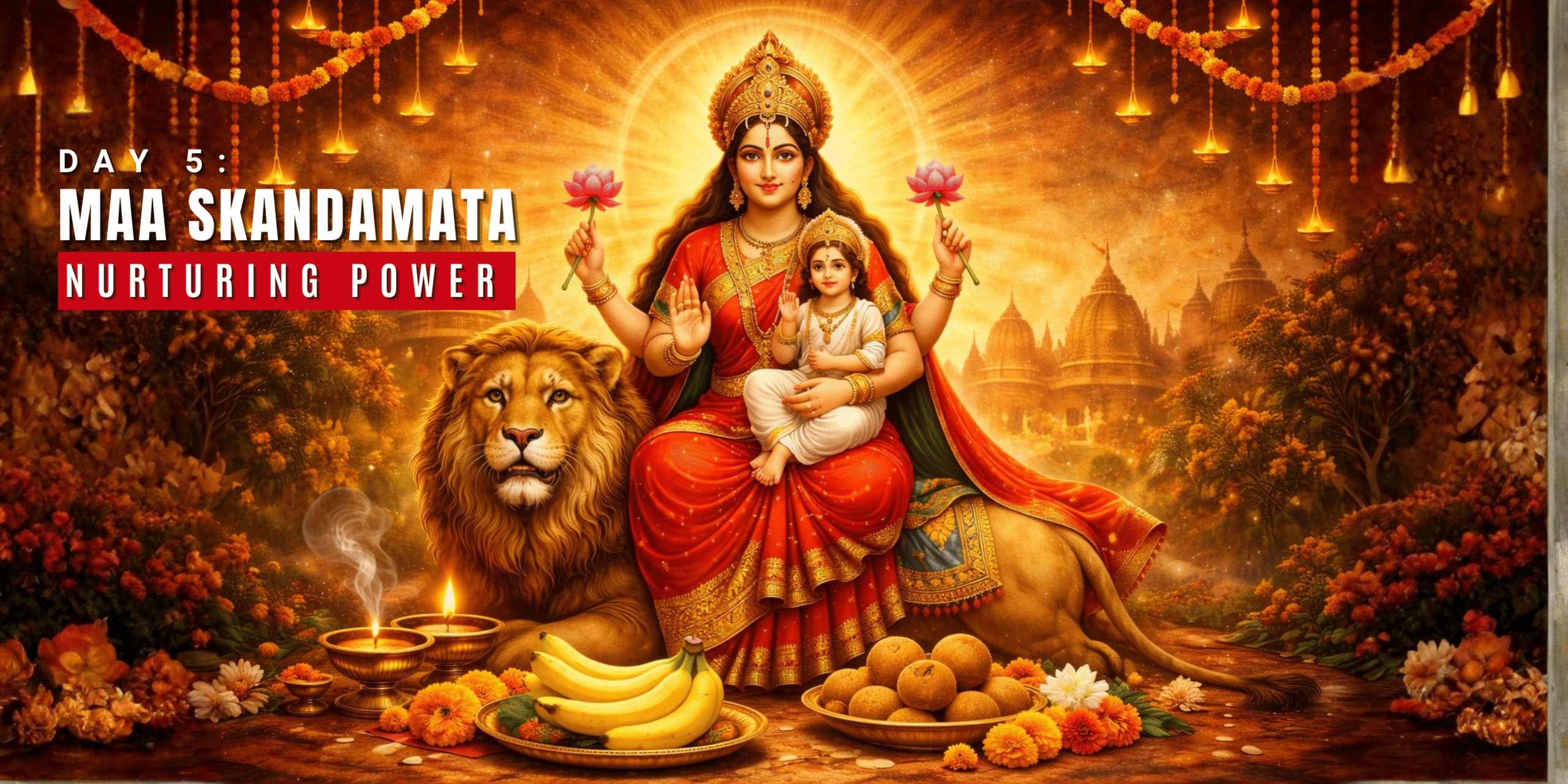
Day 5 – Skandamata – Nurturing Power – Navratri 9 Days Significance
Spiritual Significance: The motherly form, symbolizing unconditional love.
Feminine Energy: Compassion, nurturing, emotional strength.
Inner Shakti Connection: Reminds women of their ability to nurture without losing themselves.
Chakra Association: Heart Chakra
Practice:
- Yoga: Balasana (Child’s Pose)
- Pranayama: Nadi Shodhana
- Affirmation: “I nurture myself and others with love.”
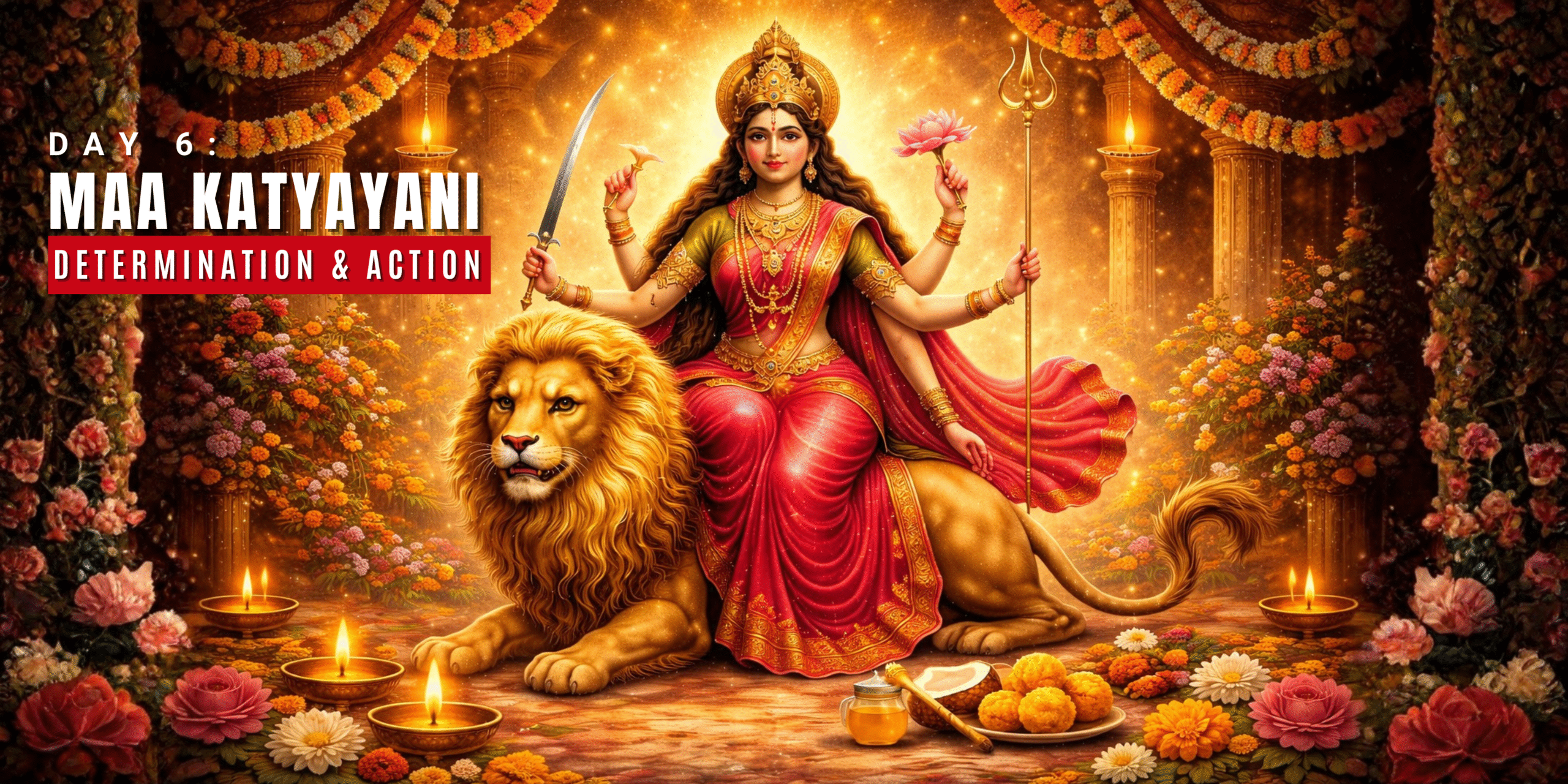
Day 6 – Katyayani – Determination & Action – Navratri 9 Days Significance
Spiritual Significance: A fierce warrior who destroys evil.
Feminine Energy: Determination, action, independence.
Inner Shakti Connection: Encourages women to take bold steps and chase their dreams.
Chakra Association: Third Eye (Ajna)
Practice:
- Yoga: Utkatasana (Chair Pose)
- Pranayama: Breath Retention
- Affirmation: “I take fearless action.”
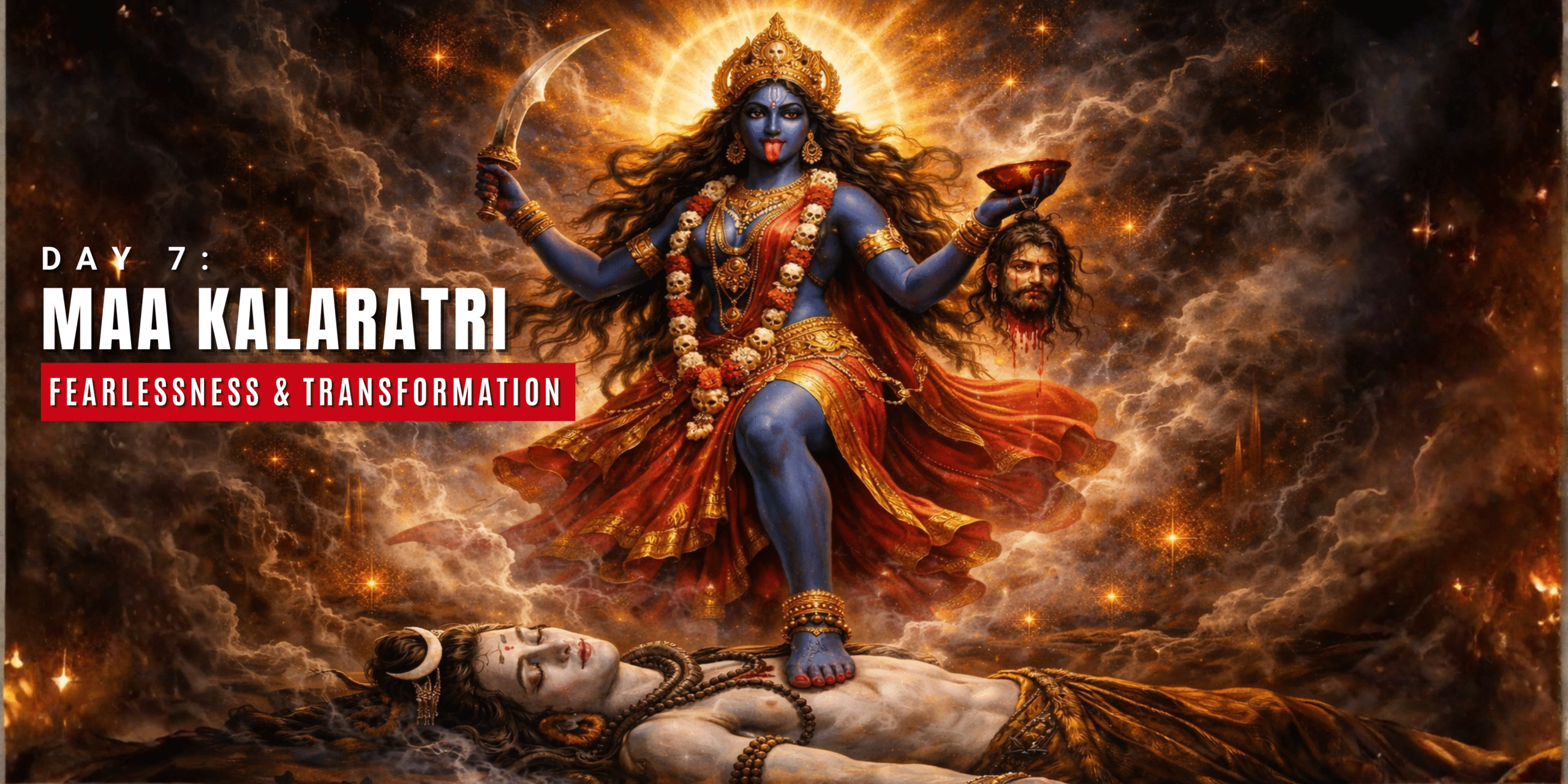
Day 7 – Kalaratri – Fearlessness & Transformation – Navratri 9 Days Significance
Spiritual Significance: The most powerful and fierce form, removing darkness.
Feminine Energy: Transformation, fearlessness, shadow work.
Inner Shakti Connection: Teaches women to embrace their fears and grow through them.
Chakra Association: Crown Chakra (Sahasrara)
Practice:
- Yoga: Shavasana
- Pranayama: Ujjayi Breath
- Affirmation: “I transform fear into power.”
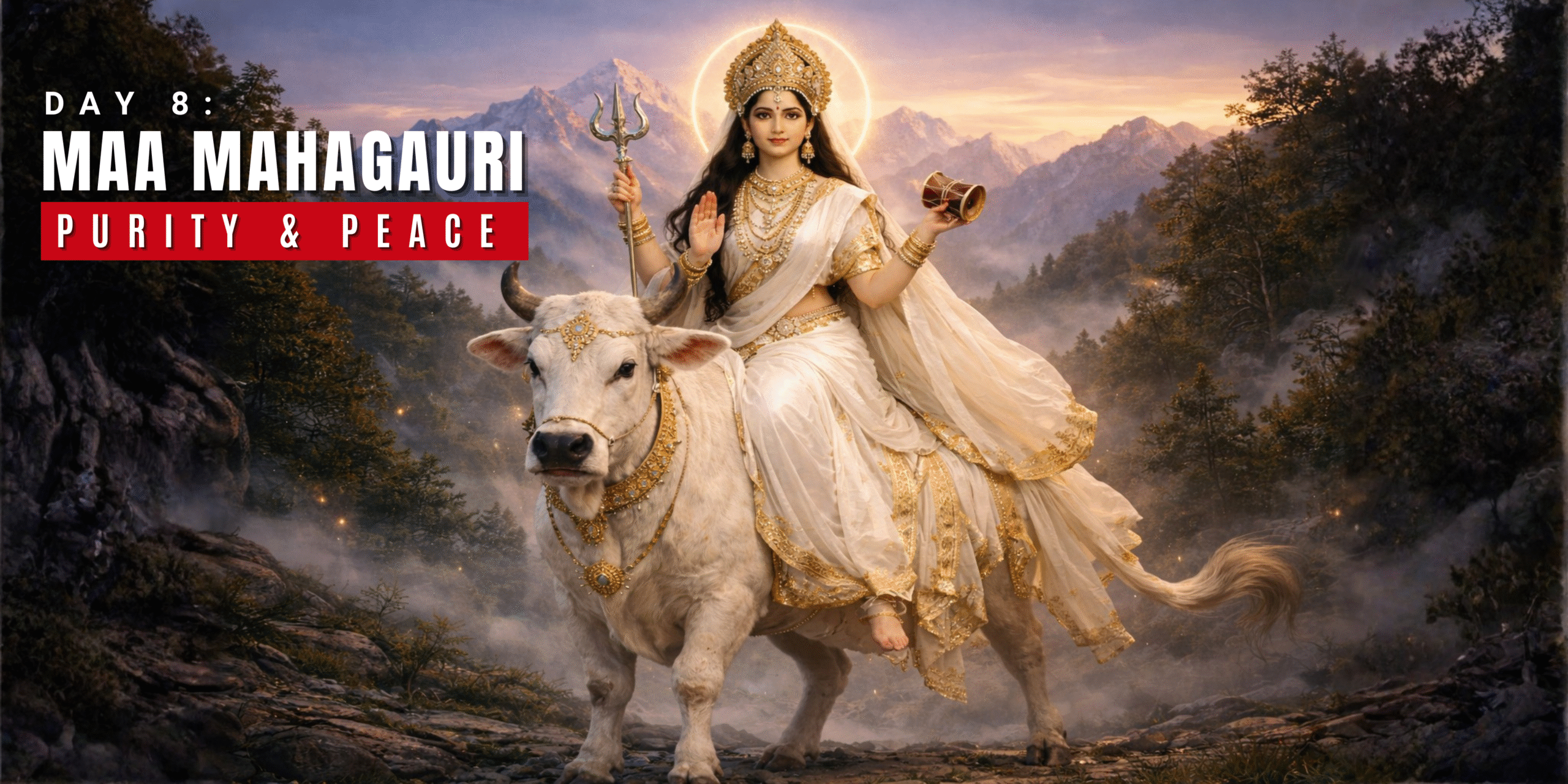
Day 8 – Mahagauri – Purity & Peace – Navratri 9 Days Significance
Spiritual Significance: Symbol of purity, calmness, and forgiveness.
Feminine Energy: Peace, grace, clarity.
Inner Shakti Connection: Encourages emotional healing and letting go.
Chakra Association: Crown Chakra
Practice:
- Yoga: Padmasana
- Pranayama: Sheetali
- Affirmation: “I am pure, calm, and peaceful.”
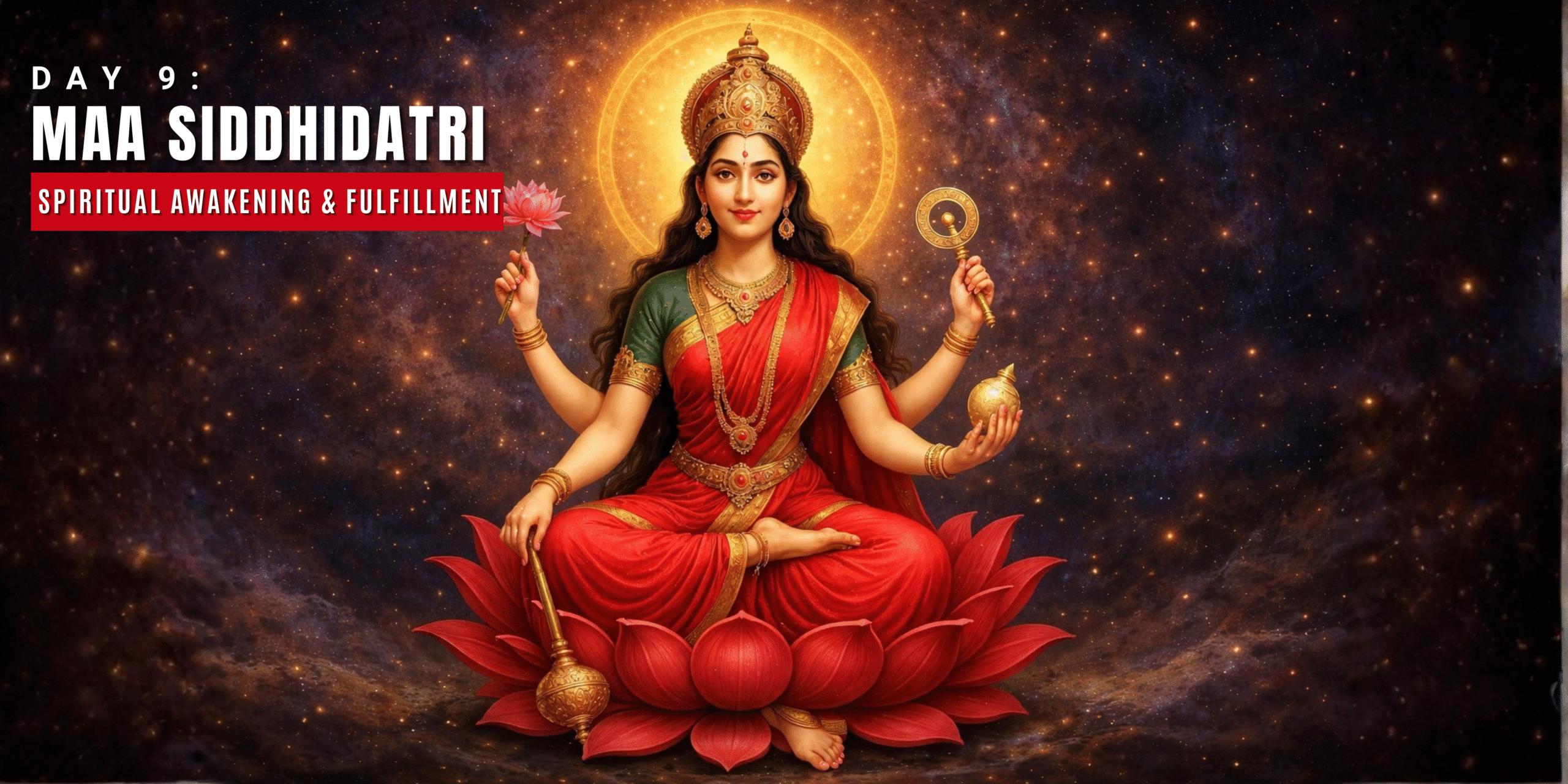
Day 9 – Siddhidatri – Spiritual Awakening & Fulfillment – Navratri 9 Days Significance
Spiritual Significance: Bestower of spiritual powers and wisdom.
Feminine Energy: Enlightenment, fulfillment, divine connection.
Inner Shakti Connection: Helps women realize their highest potential.
Chakra Association: All Chakras (Complete Chakra Activation During Navratri)
Practice:
- Yoga: Meditation Pose (Sukhasana)
- Pranayama: OM Chanting
- Affirmation: “I am connected to divine energy.”
FAQs
Q1: What is the deeper meaning of Navratri (Navratri 9 Days Significance) for women?
A1: Navratri symbolizes the awakening of inner Shakti in women, helping them reconnect with strength, intuition, and purpose.
Q2: How can Navratri help in feminine energy awakening?
A2: Through rituals, fasting, yoga, and meditation, women can align with their inner energy and experience feminine energy awakening.
Q3: What are the 9 forms of Durga and their powers?
A3: The 9 forms of Durga and their powers represent different aspects like strength, courage, nurturing, wisdom, and transformation.
Q4: How does chakra activation during Navratri work?
A4: Each day corresponds to specific energies that align with chakras, supporting chakra activation during Navratri through conscious practices.
Q5: Which practices are best during Navratri for spiritual growth?
A5: Yoga and meditation for spiritual growth, along with pranayama for energy balance, are highly effective.
Q6: Can beginners follow Navratri spiritual practices?
A6: Yes, beginners can start with simple practices like meditation, light yoga and mindful breathing to gradually connect with their inner Shakti.
By following yoga and meditation for spiritual growth during Navratri, along with mindful breathing and affirmations, you create a deeper connection between your mind, body and soul.
Conclusion:
Navratri is not just a festival – it’s a sacred inner journey.
Each day invites you to awaken a different aspect of your being – from strength and courage to compassion and enlightenment. The essence of divine feminine spirituality lies in realizing that you are already powerful – you just need to reconnect with it.
This Navratri, don’t just celebrate – transform.
- Start with one small practice each day.
- Stay consistent.
- Stay aware.
Because the moment you connect with your inner Shakti, everything around you begins to change.
Note: Practice yoga under the guidance of a certified expert to ensure safety and correct technique.
Very helpful and informative keep sharing.
Hi Ruchi,
Namaste 🙏
Thank you so much for taking the time to read our blog and for sharing your thoughts on “Navratri 9 Days Significance: 9 Forms of Durga & Feminine Energy Awakening Guide”.
We are truly happy to know it resonated with you. Your reflection adds depth & warmth to our YogicVeda community.
Your support inspires us to continue creating conscious, value-driven content.
Stay connected and keep practicing. 🕉️
“Gratitude. Awareness. Mindfulness – Team YogicVeda”